 Canada
 Cayman Islands
 Dominican Republic
 Hong Kong
 India
India
 Indonesia
 Ireland
 Jamaica
 New Zealand
 Singapore
 Thailand
 United Kingdom
 United States
 Vietnam

 Australia Business Directory
9 Best CCTV Placement Tips That Work
By MCA Total Security Installers · 05/01/2026
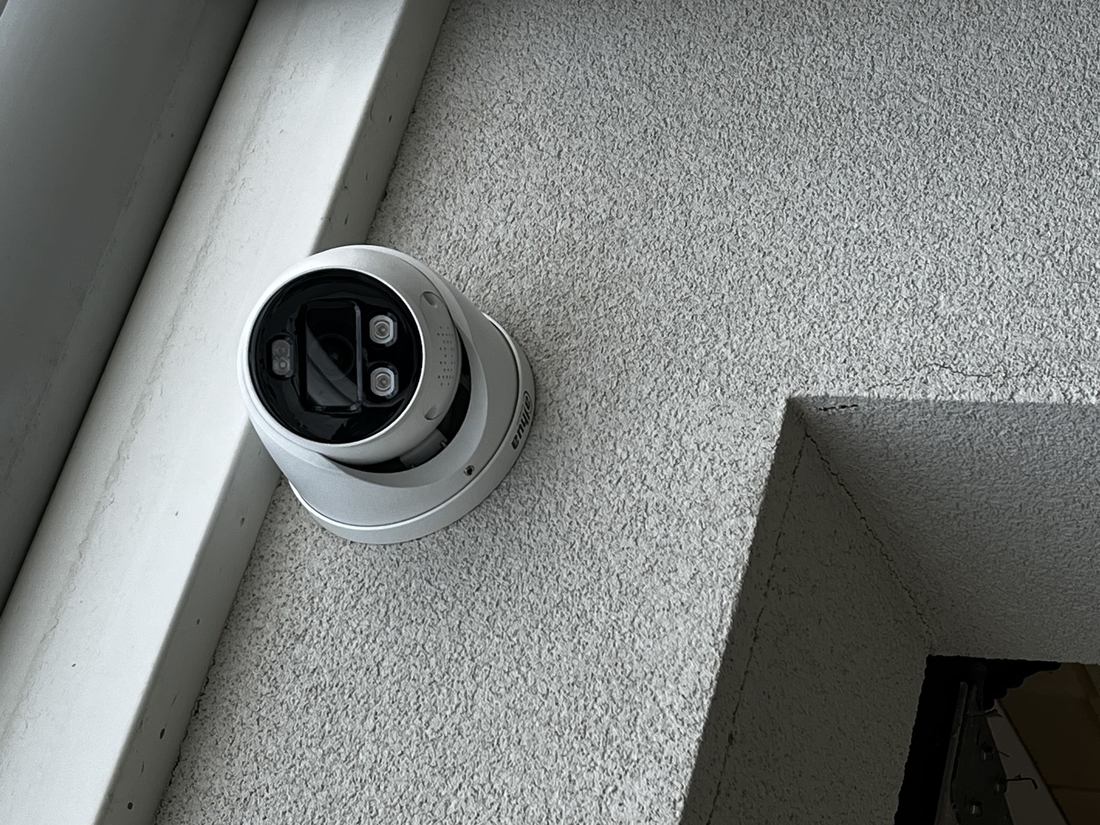
A camera that sees the wrong angle is almost as frustrating as having no camera at all. The best CCTV placement tips are not about squeezing cameras into every corner. They are about putting each camera where it can actually identify people, capture useful events and reduce blind spots without creating new problems. For homes and businesses across Perth, camera placement needs to suit the property, the lighting conditions and the risks you are trying to manage. A front door camera has a different job from one watching a driveway, a warehouse roller door or a shop counter. Good placement starts with that simple question - what do you need each camera to prove? Start with the places people actually use The most effective coverage usually begins at entry and exit points. Front doors, side gates, rear sliding doors, garage entries and commercial access doors should be the first areas assessed. If someone approaches, forces entry or leaves in a hurry, these are the points that matter most. That does not always mean mounting a camera directly above a doorway. A high position may give you a broad view, but it can also leave you with the top of a cap or hoodie instead of a face. In many cases, a slightly offset angle at a sensible height delivers better identification. The goal is not just to record movement. It is to capture recognisable detail. For businesses, think beyond the main customer entrance. Staff-only doors, delivery areas and rear access points are often more vulnerable because they are less visible from the street. Best CCTV placement tips for identifying people Wide coverage sounds appealing until you need to zoom in on an incident and realise everyone looks like a blur. One of the best CCTV placement tips is to separate overview cameras from identification cameras. An overview camera shows where someone moved through the property. An identification camera is positioned to clearly show the person. That distinction matters. A camera mounted too high or too far away may technically cover a large area, but it may not provide evidence that is useful. For a home, this often means having one camera covering the yard or driveway and another focused tighter on the front approach. For a business, it may mean one camera tracking customer movement and another aimed at the point of sale, reception or entry threshold. Height also needs balance. Too low, and cameras are easier to tamper with. Too high, and facial detail suffers. There is no one-size-fits-all measurement because rooflines, verandahs and wall positions differ, but practical placement nearly always beats simply mounting the unit at the highest possible point. Cover driveways, paths and approach routes A camera that only captures the front door can miss how someone arrived, where they went first or which vehicle was involved. Driveways, front paths, side access tracks and laneways often tell the bigger story. For homes, a driveway camera should ideally pick up vehicle movement as it enters or leaves, while still giving enough detail to identify people getting in or out. Number plate capture can be useful, but only when the angle, distance and lighting support it. Standard placement often will not read plates clearly at night unless the system is designed for that purpose. For commercial premises, approach routes matter even more. Loading zones, shared access points, warehouse yards and parking areas can become blind spots if cameras are only fixed on doors. If stock goes missing or a vehicle is damaged, exterior movement often explains what happened. Think about lighting before drilling holes A common installation mistake is choosing the mounting spot first and dealing with glare later. Sunlight, reflections and night lighting all affect footage quality. A camera aimed toward strong morning or afternoon sun may struggle during key hours. A unit facing a shiny roller door, pool fence or large window can produce reflected glare that washes out detail. Night-time is just as important. A camera may look fine during the day but perform poorly if the area drops into heavy shadow after dark. Nearby sensor lights, streetlights and signage can help, but they can also create hot spots if they shine directly into the lens. This is where professional planning makes a difference. The right position may be slightly different from the obvious one because it works better across both day and night conditions. Good CCTV should not only look clear on a sunny afternoon. It needs to perform when something happens at 2 am. Do not waste cameras on empty walls and sky It sounds obvious, but many systems lose valuable coverage because too much of the image is taken up by roof eaves, fences, brick walls or open sky. Every part of the frame should have a job. If a camera view is dominated by static background, the useful target area becomes smaller. That reduces practical detail on faces, clothing and movement. A better result usually comes from tightening the angle and pointing the camera at where activity actually occurs - gates, doors, vehicles, walkways, stock areas or transaction points. This is especially relevant on larger commercial sites. Warehouses, workshops and yards can tempt owners to go for broad panoramic views. Sometimes that is appropriate, but often it is smarter to break the space into zones so each camera has a clear purpose. Place cameras where they support each other Single-camera thinking creates blind spots. Better systems are designed so cameras overlap where it counts. If one camera sees a person enter the gate, another should pick them up approaching the building. If one covers the car park, another should capture the main door. This creates a more complete sequence rather than isolated clips. That does not mean unnecessary duplication. It means continuity. When footage is reviewed after an incident, overlapping coverage helps confirm direction, timing and behaviour. For businesses, it can also reduce disputes around deliveries, customer incidents or staff access. One practical example is using a wider external camera to show movement through a yard, then a tighter camera at the entrance to capture facial detail. Together, those views are far more useful than either one on its own. Best CCTV placement tips for indoor areas Indoor placement should follow the same rule as outdoor placement - monitor the points and spaces that matter, not just the easiest ceiling position. In homes, that may include entry halls, open-plan living areas near major access points and internal paths leading from the garage into the house. Bedrooms and private areas are a separate privacy consideration and generally not where people want surveillance. In retail and commercial settings, indoor cameras often work best at reception, counters, stock rooms, corridors, cash handling points and any restricted access area. The right angle can protect staff, support incident reviews and discourage internal theft. Privacy and compliance still matter. Cameras should be placed with a clear security purpose and with awareness of staff and visitor expectations. Good security is not about over-monitoring. It is about targeted coverage that protects people and property. Account for tampering, weather and maintenance A camera may have the perfect view on paper, but if it is easy to knock, block or vandalise, placement needs another look. Exterior cameras should be high enough and positioned carefully enough to reduce tampering risk. At the same time, they still need to remain serviceable if maintenance or cleaning is required. Weather exposure matters in Perth conditions. Heat, rain, coastal air and dust can all affect performance over time. Under-eave mounting can offer added protection, but only if the eave does not obstruct the field of view or night vision. Trees are another issue. A branch that seems harmless now can trigger constant motion alerts or block the lens once it grows. Clean installation is part of good placement too. Visible cabling, awkward conduit runs and rushed mounting positions do not just look poor. They can expose weak points in the system. Match placement to alerts and mobile viewing Many owners now rely on mobile alerts and remote viewing, so placement should support fast understanding. When a camera notification pops up on your phone, you want a clear scene that tells you what is happening straight away. That is another reason to avoid overly wide or cluttered views. If the image includes too much irrelevant space, alerts become harder to interpret and more likely to be ignored. Cameras focused on meaningful movement zones tend to provide better daily usability, not just better recorded evidence. For families, that might mean a clear view of the front entry and driveway. For business owners, it might mean seeing the shop entrance, after-hours access point or warehouse gate without having to guess what triggered the alert. A proper site assessment usually saves money One of the most overlooked best CCTV placement tips is this: fewer well-positioned cameras often outperform a larger number of poorly placed ones. More cameras do not automatically mean better protection. If angles are wrong, blind spots remain and footage quality suffers, the extra hardware does not solve the problem. A proper site assessment helps avoid that. It considers property layout, lighting, access points, risks and how you want to use the system day to day. That is why professionally installed systems tend to feel more reliable from the start. They are designed around outcomes, not guesswork. For homeowners and businesses that want dependable protection without lock-in contracts or monthly monitoring fees, placement is where long-term value really starts. The right camera in the right spot keeps working quietly in the background, and when you need the footage, it earns its place.
About This Author

Maddington, Australia