Navigating the Black Dog: Modern Options for Depression Treatment in Australia
By Sydney TMS
· 11/13/2025
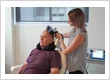
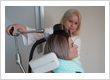
When the 'Black Dog' of depression settles in, it can make everything feel heavy. Here in Australia, we're thankfully seeing a much more open conversation about mental health, leading to access to a variety of effective, evidence-based treatments. Knowing how to treat depression starts with the simple, yet often hardest, step: reaching out for professional help. It's not a sign of weakness; it's a display of strength and self-care. The First Step: Seeing Your GP and Getting a Plan The cornerstone of mental health care in Australia begins with your GP (General Practitioner). If you're struggling with persistent low mood, loss of interest, or changes in sleep and appetite for two weeks or more, your doctor can conduct an initial assessment. The great news is that your GP can help you create a GP Mental Health Treatment Plan. This plan provides Medicare rebates for sessions with mental health professionals like psychologists. It's a key initiative designed to make psychological therapies more accessible to everyday Aussies. Traditional and highly effective treatment methods often include: Psychological Therapies: These 'talking therapies' are incredibly valuable. Cognitive Behavioural Therapy (CBT) is a common one, focusing on identifying and changing unhelpful thought patterns and behaviours. Other options include Interpersonal Therapy (IPT) and mindfulness-based approaches. Medication: For moderate to severe depression, antidepressant medication may be recommended, often in combination with psychological treatment. Your doctor will work with you to find a medication that suits your needs, understanding that it can take several weeks to see the full effect. Specialised Care: Finding a Depression Clinic in Sydney If you're located in New South Wales, finding a specialised depression clinic Sydney-wide can offer a more focused, multidisciplinary approach to your recovery. These clinics often provide integrated services, bringing together psychiatrists, psychologists, and other mental health professionals under one roof. A specialised clinic is particularly beneficial if you have a form of depression that hasn't responded to initial, standard treatments, what clinicians call 'treatment-resistant depression'. They can offer a higher level of care and access to newer, non-traditional treatment options. They typically focus on: Comprehensive psychiatric assessment and personalised treatment plans. More intensive psychological and group therapies. Advanced physical treatments like neuro-modulation techniques. Cutting-Edge Options: Transcranial Magnetic Stimulation For those who haven't found relief with medications or standard talk therapy, or perhaps can't tolerate the side effects of antidepressants, there's an innovative treatment option becoming more widely available across the country: transcranial magnetic stimulation in Australia. What is TMS? TMS is a non-invasive procedure that uses magnetic fields to gently stimulate nerve cells in the brain, specifically targeting the areas thought to regulate mood, which are often underactive in people with depression. Non-Invasive: It doesn't require anaesthesia or hospitalisation. You remain fully awake during the session. Outpatient Treatment: Treatment usually involves daily sessions over several weeks in an outpatient setting, so you can generally get back to your regular routine straight after. Safety Profile: When administered by a trained psychiatrist in a clinical setting, TMS is considered safe and well-tolerated. Common side effects are generally mild, such as a mild headache or scalp discomfort that typically eases over the course of treatment. It’s important to note that the Royal Australian and New Zealand College of Psychiatrists (RANZCP) provides professional guidelines for the use of TMS, reinforcing its effectiveness for major depressive disorders. Medicare also covers the cost of an initial course of treatment for eligible patients, making this advanced option more accessible. Final Thoughts Taking control of your mental health journey is an act of courage, not weakness. Whether you start with a simple chat with your GP, seek the integrated support of a specialised depression clinic Sydney has to offer, or explore innovative options like transcranial magnetic stimulation Australia, a tailored and effective pathway to recovery is available. The key is to be proactive about knowing how to treat depression and finding the support that works for you. Remember, you don't have to battle the Black Dog alone. Help is here. For learn more https://www.sydneytms.com.au/treatment-for-depression/
About This Author

Sydney TMS
Sydney, New South Wales, Australia
At TMS Clinic and Specialist Team, we offer a highly dedicated and experienced team at our TMS Clinic locations. Our focus is to deliver specialised transcranial magnetic stimulation to all patients who visit our TMS Clinics. Led by founder, Sydney Psychiatrist Dr Jason Pace, the team is passionate…
More Articles From This Author
Depression Care in Sydney: Modern Paths to Recovery

2025-12-18When the cloud of low mood refuses to lift, finding the right path forward can feel like navigating a maze without a map. In Australia, approximately one in seven people will experience depression at some point in their lives. While the jou… Read More »
 Canada
 Cayman Islands
 Dominican Republic
 Hong Kong
 India
India
 Indonesia
 Ireland
 Jamaica
 New Zealand
 Singapore
 Thailand
 United Kingdom
 United States
 Vietnam

 Australia Business Directory