
 Canada
 Cayman Islands
 Dominican Republic
 Hong Kong
 India
India
 Indonesia
 Ireland
 Jamaica
 New Zealand
 Singapore
 Thailand
 United Kingdom
 United States
 Vietnam

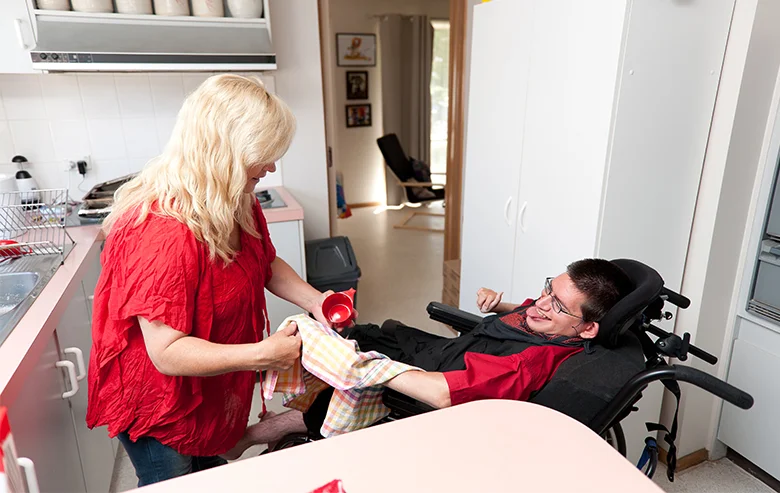
It may be difficult for one to choose their home given that certain factors must come into play at the same time. A good home in Sydney should make the resident's life easy and provide them with freedom of choice on how to live. When selecting a NDIS approved housing, one should look out for every detail.
Check SDA Eligibility FirstSpecialist Disability Accommodation is for people with extreme functional impairment or very high support needs. The funding must be included in the participant’s NDIS plan. It should match the building type, design category and location. A support coordinator or allied health professional can help collect evidence.
Know the Four Design CategoriesSDA homes come under four categories: Improved Liveability, Fully Accessible, Robust and High Physical Support. Each category meets different needs. Do not rely on the label alone. Check features such as step-free entry, room to move, reinforced areas, assistive technology, emergency power and accessible bathrooms.
Keep Housing and Daily Support SeparateSDA funding helps cover the cost of the specialised home. It does not pay for personal support inside the property. Supported Independent Living, personal care and other help may need separate funding and agreements. Keeping these services separate can protect the participant’s choices and reduce conflicts of interest.
Check the Provider and PropertySDA providers must be registered. Eligible homes must also be enrolled with the NDIA. Ask to see proof of registration, enrolment and design certification. You can check the provider’s details through the NDIS Quality and Safeguards Commission.
Look at the Location in Real LifeGood NDIS Housing in Sydney should make it easier to reach transport, healthcare, shops, work, education and community activities. Try the route to regular appointments. Check traffic noise, footpaths and stations. A good postcode is not enough if daily travel is still hard.
Read everything in all contractsSee the rent, utility costs, repair duties, notice periods, house rules and complaint steps. Ask who does repairs and how quickly urgent access issues are resolved. The tenancy and support agreements should be clear. Independent advice should be available before anything is accepted.
Visit More Than OnceOne daytime visit may not show traffic noise, staff routines or evening activity. Visit at different times. Speak with current residents when appropriate. Test doors, benches, bathrooms and controls. Each feature should work well for the person who will live there.
Final Thoughts
Choosing SDA is a decision. It should not be treated as a quick match to an empty room. Compare homes, check the paperwork and think about daily needs. This can lead to a safer, stable home that supports independence and protects personal choice.
For more information visit https://www.brightsidehealthcare.com.au/sda-housing-providers-sydney/ now.