
 Canada
 Cayman Islands
 Dominican Republic
 Hong Kong
 India
India
 Indonesia
 Ireland
 Jamaica
 New Zealand
 Singapore
 Thailand
 United Kingdom
 United States
 Vietnam

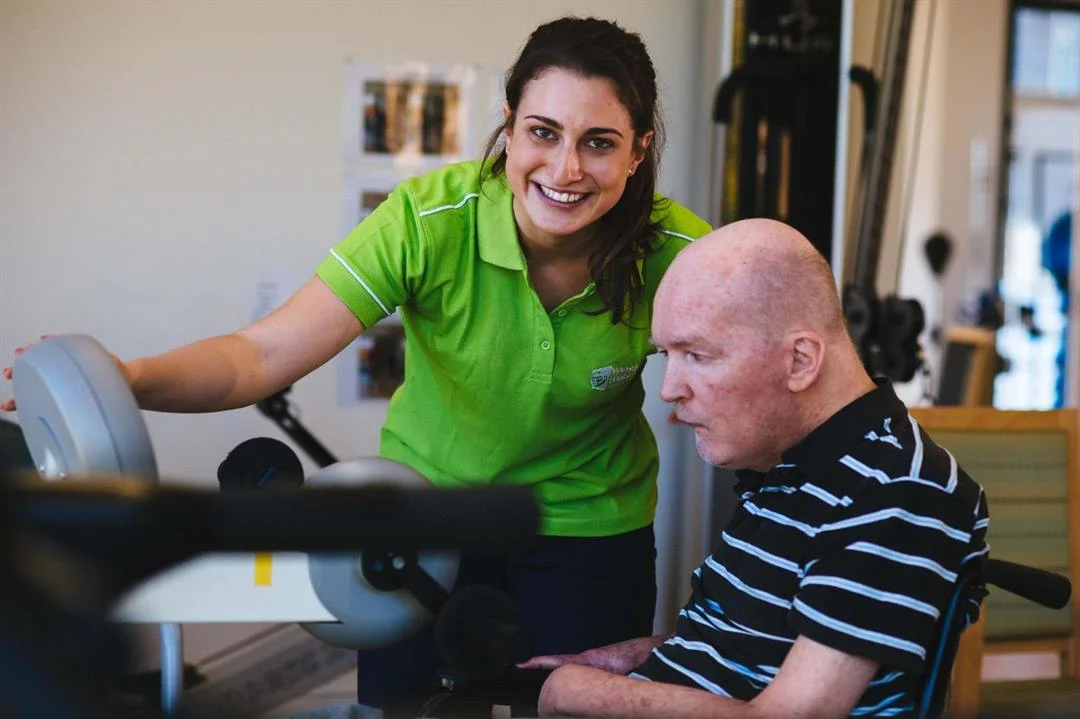
A home can look perfect in a listing, then feel wrong once daily support starts. The kitchen may suit a wheelchair, yet meal support clashes with housemate needs. That gap is where SDA and SIL need to be planned together.
What SDA And SIL Cover
Under the NDIS, Specialist Disability Accommodation is the physical home for people with extreme functional impairment or very high support needs. SDA can include features that help a person live more independently and allow supports to be delivered safely. SIL is different. It funds support workers who help with daily tasks, often in shared living, though it can also apply to someone living alone.
Support
What It Covers
What to Check
SDA
The home’s design and build
Layout, location, safety features
SIL
Daily personal support
Rosters, overnight support, routines
Both
Home and support working together
Fit before signing
Choosing sda approved housing without checking SIL fit can leave families fixing problems after move-in. And that matters because changing homes later can be slow and disruptive.
Why You May Need Both
SDA can make a property safer and easier to use, but it does not pay for support workers, rent or everyday living costs. SIL helps with personal care, cooking, cleaning, medication prompts, behaviour routines and getting ready for the day. SIL is not the housing itself.
You may need both when:
The home needs specialist design, not minor tweaksSupport workers need space to assist safelyShared support could reduce isolation without removing privacyOvernight assistance is part of normal lifeYour current home makes care harder than it needs to beA practical note: families often focus on the bedroom and bathroom first. Fair enough. But the laundry, entry path and fridge area can cause just as many daily headaches.
Questions to Ask Before Signing
Bottom-of-the-funnel decisions need plain questions, not glossy brochures.
Does the SDA design category match the plan?Can the SIL provider support real routines, including weekends?Who manages housemate conflicts?Are staff trained for communication or complex support needs?What happens if support needs increase?Is there a clear service agreement?This is also where ndis approved housing searches can become confusing. A property may look suitable, but eligibility, plan wording, vacancy rules and provider registration still need checking. Ask for details in writing before you agree to a move.
When A Combined Approach Makes Sense
The best outcomes usually come when housing and support are discussed in the same conversation. The house sets the stage. The SIL team shapes daily life inside it. If those two parts pull in different directions, the participant feels it first.
A combined approach is worth considering when the person wants more independence, the family needs a safer long-term option, or support workers are struggling in the current home. It is about choosing the right setting for ordinary days.
Moving Forward with the Right Support
If you are comparing SDA vacancies and SIL providers, take your time with the small details. Brightside Healthcare can help participants and families look at housing, support routines and NDIS requirements in one conversation. Joined-up planning makes the next step feel less like a leap and more like a well-checked move. For learn more https://www.brightsidehealthcare.com.au/sda-housing-providers-sydney/