
 Canada
 Cayman Islands
 Dominican Republic
 Hong Kong
 India
India
 Indonesia
 Ireland
 Jamaica
 New Zealand
 Singapore
 Thailand
 United Kingdom
 United States
 Vietnam

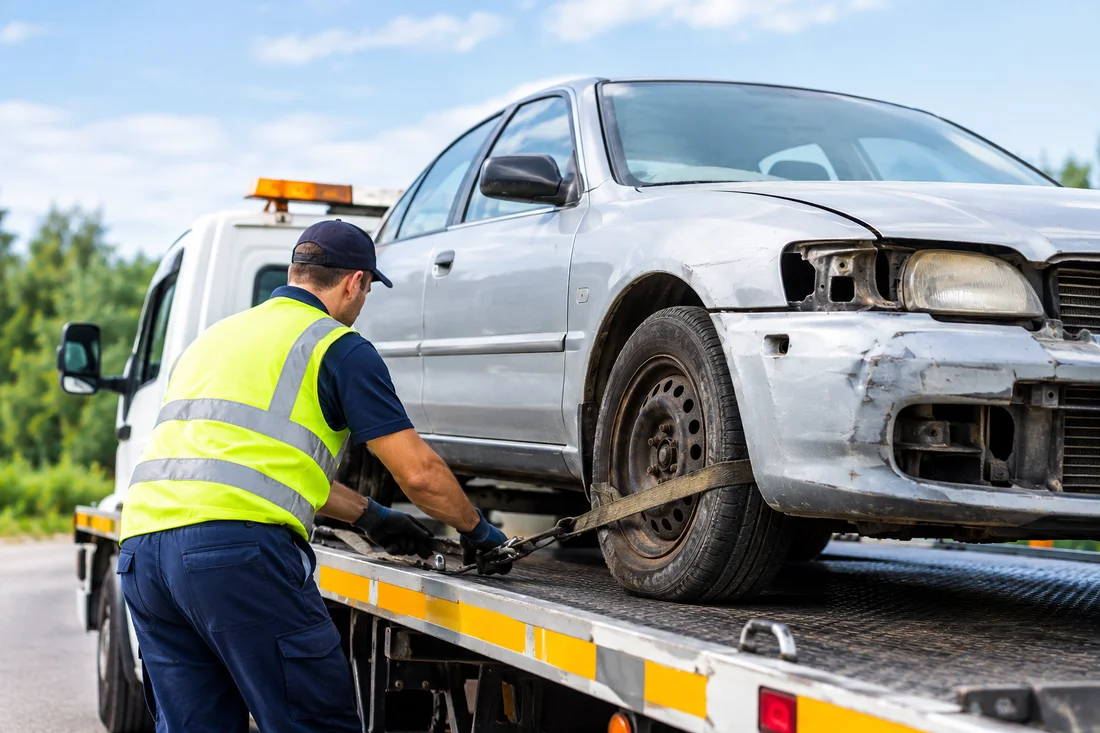
A car does not need to be driveable to be removed from a property. Engine failure, transmission problems, accident damage, electrical faults, a dead battery or years of mechanical wear can leave a vehicle unable to move under its own power. For owners in Sydney, car removal provides a way to arrange collection without repairing the vehicle first or finding a buyer willing to transport it.
What Is a Non-Running Car?
A non-running car is a vehicle that cannot be driven normally. In some cases, the engine has completely failed. In others, the vehicle may start but have serious mechanical or electrical problems that make it unsafe or impractical to drive.
Common examples include cars with failed engines, damaged transmissions, severe accident damage, electrical faults, damaged wheels, flat or missing batteries, and vehicles that have been sitting unused for an extended period.
Although a vehicle may no longer be suitable for everyday driving, it can still contain usable components and recyclable materials. This means a non-running condition does not automatically make the vehicle worthless.
How Does Car Removal Sydney Work for Non-Running Cars?The process starts with providing basic information about the vehicle. This can include the make, model, year, general condition, registration status and location. Photographs may also help describe visible damage or the overall condition of the vehicle.
The information is used to assess the vehicle and determine the appropriate removal arrangements. If the vehicle is accepted, a collection time is organised.
Because a non-running car cannot be driven to a collection point, it is loaded onto suitable recovery equipment. Depending on the vehicle's condition and location, a tow truck, winch or other loading equipment can be used to move it safely.
The vehicle is then transported away from the property for its next stage, which may involve parts recovery, dismantling, recycling or another form of vehicle processing.
Does a Non-Running Car Still Have Value?A vehicle's value is not based entirely on whether its engine starts. Its make, model, age, condition, completeness and demand for components can all influence its value.
A damaged vehicle may contain working doors, panels, wheels, lights, interior components, electrical parts or other parts that can be recovered. The vehicle can also contain recyclable materials, particularly metals.
For this reason, an owner with a failed engine or major mechanical problem can still request a vehicle valuation rather than assuming the car has no remaining value.
What Types of Non-Running Cars Can Be Removed?Non-running vehicles can come in many conditions. Examples include:
Cars with failed enginesVehicles with transmission problemsAccident-damaged carsCars with serious electrical faultsVehicles that have been sitting unusedOld cars that are no longer economical to repairDamaged vehicles that are no longer roadworthyVehicles with significant mechanical deteriorationThe condition and location of each vehicle are different, so removal arrangements depend on the circumstances.
How Are Non-Running Cars Collected?Collection is different from moving a functioning vehicle because the car cannot simply be driven onto a trailer. Recovery equipment helps move the vehicle from its current position onto the transport vehicle.
If the car is parked on a driveway, roadside or open area, access may be relatively straightforward. A vehicle inside a garage, behind another vehicle or in a narrow space may require additional planning.
Owners can make the process easier by providing accurate information about where the vehicle is located. Details about restricted access, steep driveways, gates or confined spaces are useful when arranging collection.
Can Accident-Damaged Cars Be Removed?Accident damage is one of the common reasons a vehicle becomes non-running. A collision can affect the engine, transmission, suspension, wheels, steering or body structure, making the vehicle difficult or unsafe to drive.
A severely damaged vehicle can still be assessed for removal. Its condition, remaining components and recyclable materials can determine what happens after collection.
Owners do not necessarily need to restore a heavily damaged vehicle before arranging its removal. The appropriate process depends on the vehicle's condition and accessibility.
What Happens After a Non-Running Car Is Removed?Removal is only the first stage of the vehicle's disposal or recovery journey. Once collected, the vehicle can be assessed to determine which components and materials have further use.
Reusable parts can potentially be recovered from suitable vehicles. Materials such as steel and other metals can be separated and directed towards recycling. Fluids and other components also require appropriate handling during vehicle processing.
This approach gives an old vehicle a pathway beyond simply remaining unused on private property. Components that retain practical value can be recovered, while materials that can no longer be reused can enter appropriate recycling processes.
What Documents May Be Needed?Documentation requirements can depend on the vehicle and the circumstances of the sale or removal. Owners may need information that establishes their connection to the vehicle, along with relevant registration details where applicable.
Before collection, it is sensible to check the vehicle's paperwork and remove personal belongings from the cabin, boot and storage areas. Items such as insurance documents, parking permits, tools, electronics and other personal possessions can easily be overlooked in an unwanted vehicle.
What Should Owners Check Before Collection?Several simple checks can make the process easier. Owners can confirm the vehicle's location, describe its condition accurately and mention whether it starts, rolls or can be moved.
It is also useful to check the surrounding area for obstacles that could prevent recovery equipment from accessing the vehicle. If another car, locked gate or narrow entrance could create a problem, this information can be provided before collection.
Personal items should be removed before the vehicle leaves the property. Owners can also keep any relevant paperwork available for the transaction.
Is Repairing a Non-Running Car Always Necessary?Repairing a vehicle before selling it is not always practical. A major engine or transmission failure can cost a significant amount to repair, while an older vehicle may have several problems at the same time.
In these circumstances, owners can compare the likely repair expense with the vehicle's remaining value and removal options. A car that is no longer economical to repair may have greater practical value as a source of parts and recyclable materials.
Why Use Vehicle Removal for an Unusable Car?Keeping a non-running vehicle on a property can take up valuable space and may become increasingly difficult if the car continues to deteriorate. Finding a private buyer can also be challenging when the vehicle cannot be test-driven or transported normally.
Vehicle removal provides a way to move an unusable car without requiring the owner to make it roadworthy first. For vehicles that have reached the end of their useful driving life, removal can also connect the car with parts recovery and recycling processes.
Final ConsiderationsA non-running car is not necessarily the end of the vehicle's useful life. Even when an engine has failed or extensive damage makes repairs impractical, the vehicle may still contain recoverable parts and recyclable materials.
Car Removal Sydney provides a route for owners dealing with old, damaged and non-running vehicles to arrange collection based on the vehicle's condition and location. Understanding the removal process, preparing the necessary information and explaining access conditions in advance can help make vehicle collection more straightforward.
