
 Canada
 Cayman Islands
 Dominican Republic
 Hong Kong
 India
India
 Indonesia
 Ireland
 Jamaica
 New Zealand
 Singapore
 Thailand
 United Kingdom
 United States
 Vietnam

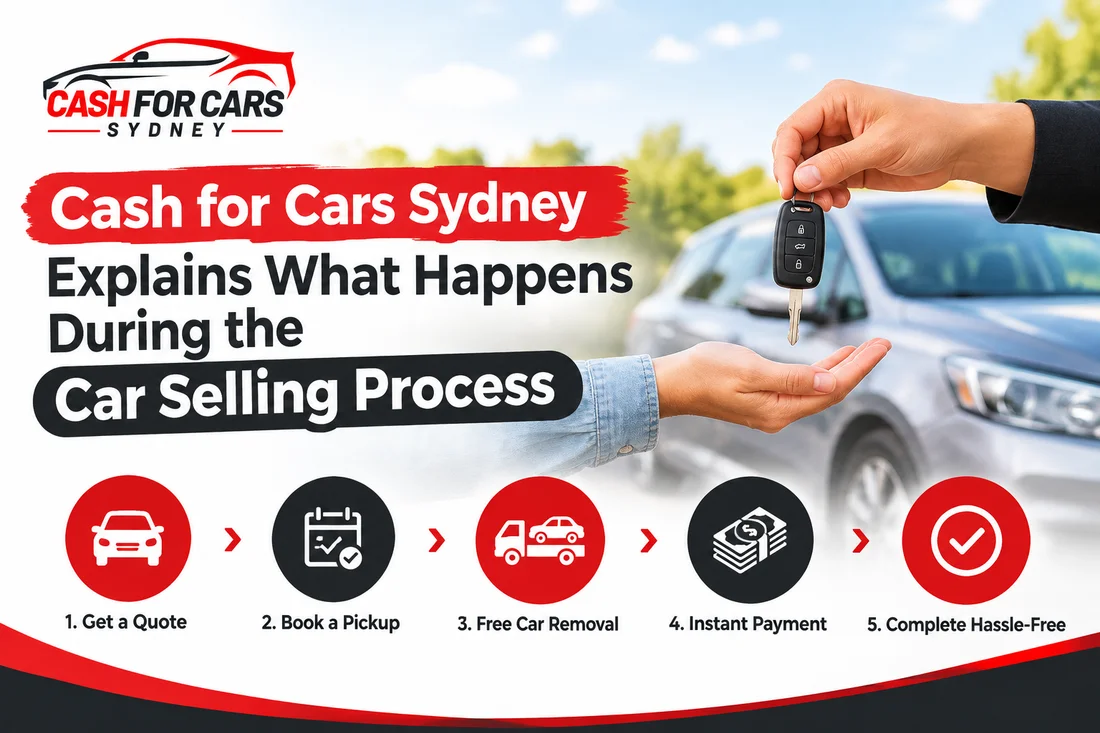
Selling an old, damaged, or unwanted car can feel overwhelming, especially when you're unsure what the process actually involves. For years, the default options were limited: place a classified ad and wait for strangers to respond, haggle with a dealership over a trade-in that rarely reflects the car's real value, or let the vehicle sit untouched because dealing with it feels like more trouble than it's worth. Sydney's cash-for-car services have emerged as a popular alternative to both of these routes, largely because they simplify a process that used to take weeks into something that can be done in a single day. Here's a closer look at how it typically works, using Cash for Cars Sydney as an example of how these services operate in practice.
Why Owners Consider This RouteBefore getting into the steps, it's worth understanding why this option appeals to so many people. Private sales require photographing the car, writing a listing, fielding calls and messages from potential buyers, arranging test drives with strangers, and negotiating a price all with no guarantee of a sale. Cars that are damaged, old, or non-running often can't be listed this way at all. Dealership trade-ins, meanwhile, tend to undervalue vehicles that aren't in showroom condition, since the dealership's priority is reselling the car at a margin. Cash-for-car services exist specifically to fill that gap, buying vehicles regardless of condition and removing most of the manual effort from the seller's side.
Getting a QuoteThe process usually starts with a simple conversation. Owners provide basic details about their vehicle make, model, year, condition, mileage, and any known issues either online through a quote form or over the phone. Being upfront about the car's condition, including any mechanical faults, accident history, or missing parts, helps ensure the quote given is realistic rather than one that changes significantly later. Based on this information, a fair, no-obligation quote is usually provided within minutes. There's no guesswork involved, and sellers aren't required to commit to anything at this stage it's simply a starting point for the conversation.
Vehicle AssessmentOnce an initial quote is accepted, a quick assessment of the vehicle is arranged, usually within a day or two. Unlike traditional dealerships, which may delay this step or require the car to be brought in for inspection, the assessment is generally done on-site at the seller's home, workplace, or wherever the car happens to be parked. An assessor checks that the vehicle's condition matches what was described, taking note of things like body damage, tyre condition, whether the engine turns over, and any other factors that affect resale or scrap value. This step exists to protect both parties: it confirms the buyer's offer is accurate and gives the seller confidence that the final number won't be reduced without explanation.
Accepting the OfferAfter the assessment, a confirmed offer is presented based on the car's actual condition. Sellers are under no pressure to accept, and the offer is theirs to weigh up against other options. Because these services buy cars in all conditions including damaged, scrapped, written-off, or non-running vehicles the offer is often more competitive than what's realistic through a private sale, where buyers are typically only interested in vehicles that are roadworthy and reasonably presentable.
Paperwork and PaymentOne of the more practical benefits of this kind of service is how little paperwork sellers need to handle themselves. Transferring ownership of a vehicle in NSW normally involves notifying Transport for NSW, completing a notice of disposal, and, in some cases, providing a roadworthy certificate. Buyers in this space typically guide sellers through this process, making sure the transfer is handled correctly and that the seller isn't left liable for the car after it changes hands. Once everything is signed off, payment is usually made on the spot often as a direct bank transfer or cash rather than the seller waiting days for a cheque or payment to clear.
Free Car RemovalThe final step is removal. Free towing and pickup is standard practice across most of these services, regardless of whether the vehicle runs or not. This matters most for cars that are genuinely undriveable, since arranging private tow trucks can be expensive and adds yet another cost on top of what is often already a low-value vehicle. In most cases, the car is picked up and gone the same day, or within 24 to 48 hours of the offer being accepted.
What Happens to the Car AfterwardsOnce removed, vehicles are generally assessed for whether they can be repaired and resold, dismantled for usable parts, or sent for scrap metal recycling. Cars that still have life left in them may go through minor repairs before resale, while those beyond economical repair are typically stripped of reusable components batteries, panels, engines before the remaining shell is recycled. This end-of-life processing is a significant part of why these services can afford to buy vehicles that traditional buyers won't touch.
Why This Process Has Caught On
What makes this approach appealing is how much friction it removes from what used to be a drawn-out, uncertain task. There's no need to advertise the car, negotiate with strangers, or navigate the scams that sometimes come with private sales fake buyers, lowball offers after a deal is agreed, or no-shows for arranged viewings. Each step, from quote to removal, is built to be quick, transparent, and predictable, which is likely why services like Cash for Cars Sydney have become a go-to option for drivers looking to offload a vehicle without the usual hassle.
