
 Canada
 Cayman Islands
 Dominican Republic
 Hong Kong
 India
India
 Indonesia
 Ireland
 Jamaica
 New Zealand
 Singapore
 Thailand
 United Kingdom
 United States
 Vietnam

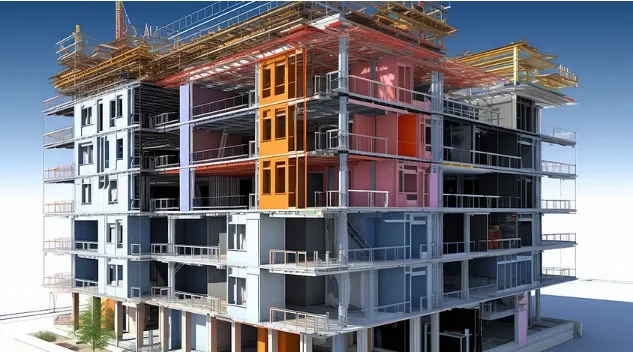
Every building starts as a set of lines on a page, and those lines carry more weight than most people realise. A wrong measurement or a missing detail on a drawing doesn't stay on paper. It shows up on site, usually at the worst possible moment, costing time and money that nobody budgeted for.
Structural drafting in Mandurah projects deals with the same pressures faced everywhere else: tight timelines, multiple trades working off the same set of plans, and zero tolerance for guesswork once concrete starts pouring. Getting the drawings right the first time saves everyone downstream a headache.
Dimension Errors Top the List
A single wrong number in a foundation plan can ripple through steel fabrication, wall framing, and everything built on top. These mistakes often come from copying values between sheets without cross-checking, or trusting a scaled measurement instead of a stated one. The fix is simple in theory: dimension from a fixed reference point rather than chaining measurements, and have a second set of eyes verify anything critical before it leaves the office.
Poor Coordination Between Disciplines
Structural, architectural, and services drawings frequently get produced in parallel by different people, and updates in one don't always make it into the others. A beam that shifts six inches on the structural set but stays put on the architectural plan turns into a clash nobody catches until installation. Weekly coordination checks between disciplines catch this before it becomes a site problem.
Skipping Detail Where It Matters Most
Connections, joints, and load paths are where structures actually succeed or fail, yet they're often the first thing rushed when deadlines close in. Vague notes like "detail as required" leave contractors guessing, and guessing on structural elements isn't something anyone should be doing. Clear callouts for bolt sizes, weld types, and material grades remove that ambiguity entirely.
Ignoring Construction Sequence
A design can look flawless on screen and still be nearly impossible to build. Access for lifting equipment, temporary supports during construction, and the order trades need to work in all matter, and drawings that ignore them create delays nobody predicted. Walking through the build sequence with a contractor before drawings go final catches these gaps early.
Why Experience Still Matters
Software has made drafting faster, but it hasn't removed the need for judgment. Skilled structural drafters bring an understanding of how a drawing will actually be read and built from, not just how it looks in a file. That difference shows up in fewer RFIs and cleaner site execution.
For anyone weighing up options locally, working with established structural drafting services means fewer surprises once the excavator shows up. Good drafting isn't glamorous work, but it's the quiet foundation everything else depends on.