
 Canada
 Cayman Islands
 Dominican Republic
 Hong Kong
 India
India
 Indonesia
 Ireland
 Jamaica
 New Zealand
 Singapore
 Thailand
 United Kingdom
 United States
 Vietnam

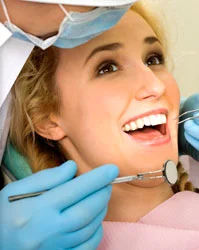
Losing a tooth is stressful enough without hearing you might need a bone graft on top of the implant itself. The honest answer is that plenty of patients skip grafting entirely, and it comes down to what's already happening inside the jaw before anyone picks up a drill.
Bone Volume Is the First Checkpoint
Every implant needs enough height and width of jawbone to sit in securely, and that's the first thing a dentist checks before anything else gets discussed. A tooth lost to trauma tends to leave more bone behind than one lost to gum disease or long-term infection, since disease processes often eat away at the surrounding structure over months or years. Patients weighing a single tooth implant in Sydney usually start with a 3D scan that maps exactly how much bone remains at the site, which settles the grafting question early rather than leaving it to guesswork.
Bone Density Matters As Much As Quantity
Having enough bone isn't the whole story if that bone is too soft to hold an implant firmly. Dentists classify jaw bone into four density types, and the front of the lower jaw is typically the densest area in the mouth while the upper jaw tends to run softer, particularly toward the back near the sinus. CBCT imaging measures this density in grayscale values, giving a dentist a concrete number rather than a rough impression during the exam. Softer bone doesn't automatically mean a graft is required though, since techniques like slower drilling speeds can improve how well an implant anchors into lower-density bone.
How Long the Tooth Has Been Missing
Bone starts remodelling the moment a tooth comes out, and it doesn't wait around for a treatment plan. Gaps left untreated for years often lose significant volume as the body reabsorbs bone it no longer needs to support a root. Someone who lost a tooth six months ago generally has more bone on hand than someone who's been missing one for a decade, which is part of why dentists ask about timeline before quoting a treatment path.
Overall Health Plays into the Decision
Diabetes, osteoporosis, and smoking all affect how bone heals and how well it holds density over time, and a dentist factors these into the assessment alongside the imaging. Good general health tends to support stronger healing and a higher chance of skipping grafting altogether, while chronic conditions might tip the scale toward a more conservative approach. This is one reason a full medical history review happens before any single tooth implant cost in Sydney gets quoted, since the treatment plan and price both depend on what the jaw can support without extra intervention.
When Alternative Techniques Help
Even with lower bone volume, options like angled implant placement or shorter implants can sometimes avoid grafting by working around the limitation rather than building more bone. A dentist weighs these alternatives against a traditional graft based on where the gap sits and how much bone surrounds it. Getting a clear scan early is really the only way to know which path applies before committing to either one. For learn more https://toothimplantsydney.com.au/single-tooth-implant/