
 Canada
 Cayman Islands
 Dominican Republic
 Hong Kong
 India
India
 Indonesia
 Ireland
 Jamaica
 New Zealand
 Singapore
 Thailand
 United Kingdom
 United States
 Vietnam

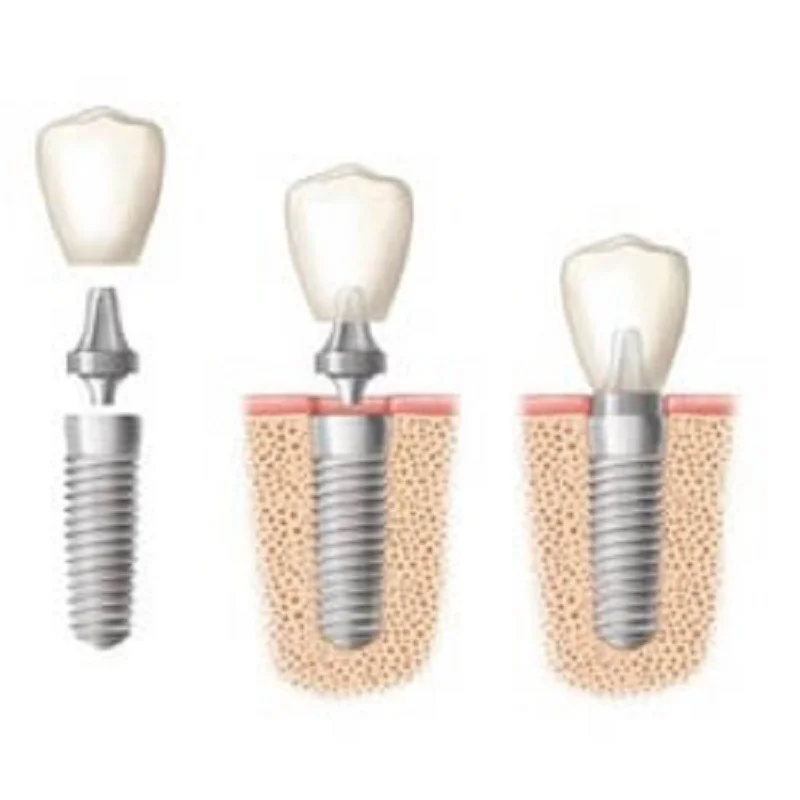
Losing several teeth changes more than your smile, it changes how food sits in your mouth and how confident you feel talking to people. Before a dentist even discusses implant options, though, they'll want a proper look at your gums. Healthy gum tissue isn't a formality here, it's genuinely one of the biggest factors deciding whether implants can go ahead at all.
Why Gums Come Before Anything Else
Implants rely on stable, infection-free tissue surrounding the site to integrate properly with the jawbone underneath. Active gum disease weakens that foundation, since bacteria and inflammation break down the very structures an implant needs to anchor into. A dentist checking someone considering multiple tooth implants in Sydney will usually start with periodontal probing before any imaging happens, because treating an infected mouth first changes the entire timeline and approach.
What Uncontrolled Periodontitis Actually Rules Out
Uncontrolled periodontitis doesn't just risk implant failure, it can prevent treatment from starting in the first place. Ongoing infection weakens the soft tissue and bone that would otherwise support the implant, and placing a post into an environment like that sets it up to fail before healing even begins. Patients with periodontal pockets sitting at 4mm or deeper around remaining teeth are typically flagged for treatment first, since deep pockets signal active disease rather than a stable, manageable condition.
Bone Loss Often Travels with Gum Disease
Long-standing periodontitis rarely stays contained to soft tissue. It tends to eat away at the surrounding jawbone too, which is a separate but connected problem from the gum infection itself. Severe bone loss reduces how much support is available for an implant, sometimes to the point where a bone graft becomes necessary before implants can proceed at all. This is one reason a full mouth of missing teeth often means a longer, more staged treatment plan than a single gap would require.
Getting Gums Healthy First Changes the Timeline
A patient who's recently finished treatment for gum disease can't jump straight into implant surgery. Gum tissue needs real time to stabilise and heal before it's ready to support new implants, and rushing that step tends to backfire later. Healing periods vary depending on how severe the disease was and what treatment it took to control it, so a dentist monitors progress closely rather than working off a fixed calendar. Getting this stage right matters more for long-term success than almost any other part of the process.
What This Means for Planning and Budget
Treating gum disease before implants adds time and often adds cost, since deep cleaning, possible surgery, and healing all happen before the implant stage even starts. Anyone comparing multiple tooth implant costs in Sydney should factor this groundwork into their expectations rather than assuming the quoted implant price covers everything from day one. A dentist who takes gum health seriously upfront is usually setting patients up for implants that actually last, not just ones that get placed quickly. For learn more https://toothimplantsydney.com.au/multiple-tooth-implant/