 Canada
 Cayman Islands
 Dominican Republic
 Hong Kong
 India
India
 Indonesia
 Ireland
 Jamaica
 New Zealand
 Singapore
 Thailand
 United Kingdom
 United States
 Vietnam

Lose a tooth and most people worry about the gap first, the way it looks when they smile or the awkward whistle when they talk. Fewer realise something else starts happening straight away, hidden below the gum line. Your jawbone begins changing shape the moment that tooth is gone, and it doesn't wait around.
The Bone Needs the Tooth to Stay Strong
Every time you bite into an apple or chew a piece of steak, the tooth root sends pressure down into the jawbone underneath it. That pressure acts like a signal telling the bone to keep rebuilding itself. Remove the tooth and the signal goes quiet. The bone reads this as a sign it's no longer needed, and a process called resorption kicks in, where the body gradually breaks that bone down rather than maintaining it.
How Fast Does This Actually Happen?
This isn't a slow process that creeps up over years. Research shows the alveolar ridge can lose somewhere between 30 and 60 percent of its width within the first twelve months, with the sharpest drop happening in the first three to six months alone. Width tends to go before height, and the socket where the tooth once sat starts to flatten out surprisingly quickly. Anyone weighing up a single tooth implant in Sydney should know that timing genuinely affects the outcome, since bone lost early is far harder to rebuild later.
What This Looks Like Over Time
Left untreated, that early rapid loss settles into a slower drip of around 0.25 to 0.5 percent per year, continuing indefinitely. Neighbouring teeth often start drifting into the empty space, your bite can shift subtly, and the gum tissue around the site may sink or thin out. None of this happens overnight, which is exactly why so many people don't connect a missing tooth from years back to changes they're noticing now in their smile or jawline.
Why Replacing the Tooth Matters More Than People Think
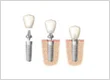
An implant does something a bridge or denture can't: it sits in the bone and mimics a tooth root, giving the jaw the stimulation it needs to stop shrinking. That's the whole logic behind restoring a gap sooner rather than later. Cost understandably factors into this decision too, and looking into a cheap single tooth implant early on, before bone loss narrows your options, often works out simpler and more affordable than waiting years and needing grafting first.
The Takeaway
A single missing tooth rarely feels urgent at first. The bone underneath doesn't share that patience. Getting it assessed sooner rather than later keeps your options open and your jaw doing what it's meant to do. To know more https://toothimplantsydney.com.au/single-tooth-implant/