Canada
 Cayman Islands
 Dominican Republic
 Hong Kong
 India
 Indonesia
 Ireland
 Jamaica
 New Zealand
 Singapore
 Thailand
 United Kingdom
 United States
 Vietnam

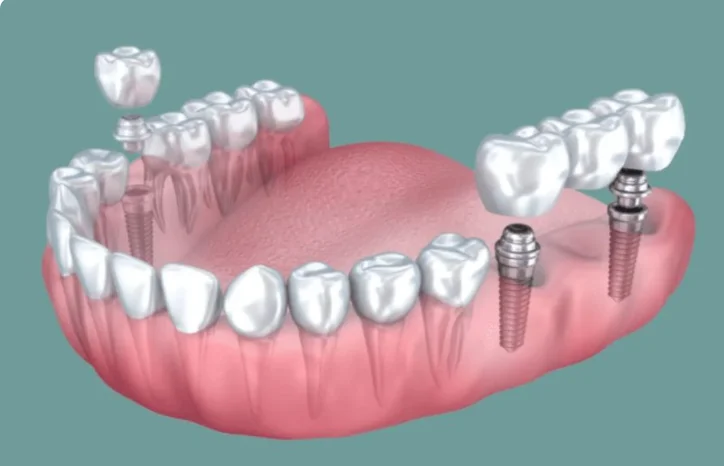
Planning to replace several teeth can feel like a lot to take in at once. Many people expect a single appointment and a finished smile. In reality, multiple tooth implants often unfold over several visits. Here’s why that happens, and why the timeline is usually a good sign rather than a setback.
Bone Has to Be Ready First
Every implant needs enough bone to hold it, and that bone isn’t always ready on day one. Your dentist may find the jaw has thinned after tooth loss, which is common in areas left empty for a while. A multiple tooth implant in Sydney often starts with a bone assessment, and the results decide whether grafting comes first. Grafting adds bone material, and the site then needs time to heal before the implants go in.
Healing Takes Its Own Sweet Time
Implants need to fuse with the jawbone before they can carry a load. That fusion, called osseointegration, typically takes about three months, and sometimes longer. Upper jaw bone is often softer, so healing can stretch out further there. Rushing this stage can put the whole result at risk.
Surgery Can Only Do So Much at Once
Some procedures need extra room in the schedule. A sinus lift, for example, raises the sinus floor to create bone in the upper back teeth. Gum treatment may come first if inflammation is active, since healthy tissue supports implants better. Trying to fit all of this into one sitting can make recovery harder and complications more likely.
Temporary Teeth Bridge the Gap
Many clinics fit temporary teeth during healing so you aren’t left with a gap. Those temporaries also let your dentist check your bite before the final work. Costs can shift with each stage, which is why asking for a staged plan up front helps. Ask for a written breakdown of your multiple tooth implant cost in Sydney, covering surgery, grafts, temporaries and the final bridge.
Visits Add Up Quickly
Expect four to five visits after the first exam before a fixed bridge is permanently attached. Each visit checks healing, fit and how the bone responds. Skipping one can mean a longer wait later.
Why the Slower Path Pays Off
Staging can feel slow, but it protects what you already have. Implant-supported bridges don’t rely on neighbouring teeth for support, so healthy teeth stay untouched. They also help preserve jawbone, since the implants stimulate bone the way tooth roots do. Fixed bridges and dentures tend to lose bone over time, which can change the shape of your smile. A careful timeline gives you the strongest foundation for years of chewing, talking and smiling without worry.
Before You Commit
If you’re weighing your options, a consultation is the best place to start. Ask about the stages, the likely timeline and what each visit covers. Bring a list of questions, and don’t feel pressured to decide on the spot. Clear answers make decisions easier.