Canada
 Cayman Islands
 Dominican Republic
 Hong Kong
 India
 Indonesia
 Ireland
 Jamaica
 New Zealand
 Singapore
 Thailand
 United Kingdom
 United States
 Vietnam

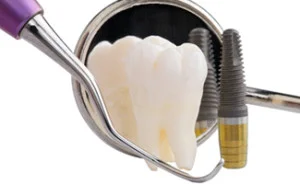
Nobody expects a new implant to smell. Yet a surprising number of people notice bad breath months after surgery, and it can be the first hint that something needs attention. The good news is that many causes are fixable. You’d be amazed how often it’s a simple fix. Knowing what to look for makes a real difference.
Plaque That Hides Under the Crown
Plaque loves the spot where the gum meets the implant. Most people never think about that gap under the crown. Bacteria feed on it and release sulphur compounds, which is where the smell comes from. Food and debris also get trapped along crown and bridge edges. If you can’t reach the area with a brush, the bacteria keep growing.
Gum Inflammation Around the Implant
Gum inflammation around an implant is sometimes called peri-implant mucositis, and it’s easy to miss. The gums may look pink and fine, but a little bleeding when you brush is a warning sign. Catching it early usually means a simple clean. Left alone, it can progress to peri-implantitis, which damages the bone that holds the implant in place.
Dry Mouth and Smoking
Saliva does more than keep you comfortable. It washes bacteria away, so a dry mouth gives odour-causing germs a head start. Smoking makes things worse by drying tissue and restricting blood flow to the gums, which slows healing around the implant. Quitting, even partially, gives the gums a better chance.
When the Implant Itself Is the Problem
Sometimes the smell points to infection, especially if you notice pus, swelling or a loose feeling around the site. Stress or numbness that lingers beyond a couple of days also deserves a call to your dentist. Please don’t wait it out. Early care is far simpler than repairing bone later.
Upper Implants and Your Sinuses
Implants in the upper jaw sit close to the sinuses, so a sinus infection can make breath smell worse. Post-nasal drip can carry bacteria down the throat, and many people blame the mouth first. If the smell comes with facial pressure or a blocked nose, see your doctor as well as your dentist.
Keeping Your Breath Fresh Long Term
Brushing twice daily, flossing or using interdental brushes around each implant, and cleaning under bridgework with a threader keeps plaque in check. Most of this takes less than five minutes. If you’re living with dental implants in Melbourne, regular professional cleans matter just as much, since they remove tartar that brushing misses.
If you’ve had a tooth implant in Melbourne and notice a lingering odour, don’t brush it off. Most of the time, a quick checkup tells you whether it’s simple plaque or something that needs treatment. Honestly, start there. For learn more https://www.dentalimplantmelbourne.com.au/