 Canada
 Cayman Islands
 Dominican Republic
 Hong Kong
 India
India
 Indonesia
 Ireland
 Jamaica
 New Zealand
 Singapore
 Thailand
 United Kingdom
 United States
 Vietnam

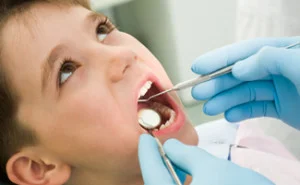
Something feels off with your implant. Maybe there's a wobble when you bite down, or a dull ache that wasn't there last week. The instinct is to assume the worst, but not every problem around a dental implant means the implant itself is in trouble. There's a real difference between the crown giving you grief and the implant losing its grip on your jawbone, and knowing which one you're dealing with changes everything about the fix.
The Crown Is the Part You Can See
Your crown sits on top of the implant post, and it's the piece doing all the visible work, chewing, smiling, everything you notice day to day. Crown problems usually show up as clicking, minor movement, or a cemented crown that's come loose from the abutment underneath. None of that touches the titanium post buried in your bone. A cracked crown, a worn edge from grinding, or a screw that's backed out slightly are mechanical issues, fixable without disturbing anything below the gumline.
Implant Failure Runs Deeper
Real implant failure means the titanium post has lost its bond with the jawbone, a connection dentists call osseointegration. This is a structural problem, not a cosmetic one. Signs include a post that feels loose to the touch, persistent pain that gets worse instead of better, swollen or receding gums, and in some cases a bad taste or odor that won't go away. Peri-implantitis, a gum infection that eats away at the bone supporting the implant, is one of the leading causes. Left untreated, it can mean losing the implant entirely.
Why the Distinction Actually Matters
A loose crown gets recemented or re-screwed in an office visit, no big deal. A failing implant usually means removal, a recovery period for the bone to heal, and a fresh evaluation before anything gets replaced. Patients weighing the cheap dental implants in Melbourne market often assume any looseness spells disaster, when a same-day crown repair might solve it completely. That said, ignoring genuine implant instability because you're hoping it's "just the crown" tends to backfire, since bone loss gets worse the longer it goes unaddressed.
When to Call Your Dentist
Any wobble, sharp pain, or gum change deserves a professional look rather than a guess. Dental imaging lets your dentist see exactly what's happening below the surface, whether that's bone density around the post or a hairline crack in the crown material itself. Practices offering affordable dental implants in Melbourne typically build this kind of diagnostic check into follow-up visits, since catching a bite imbalance or early gum inflammation early on tends to save both the implant and your wallet down the line.
For more information visit https://www.dentalimplantmelbourne.com.au/dental-implant-cost/ now.