Canada
 Cayman Islands
 Dominican Republic
 Hong Kong
 India
 Indonesia
 Ireland
 Jamaica
 New Zealand
 Singapore
 Thailand
 United Kingdom
 United States
 Vietnam

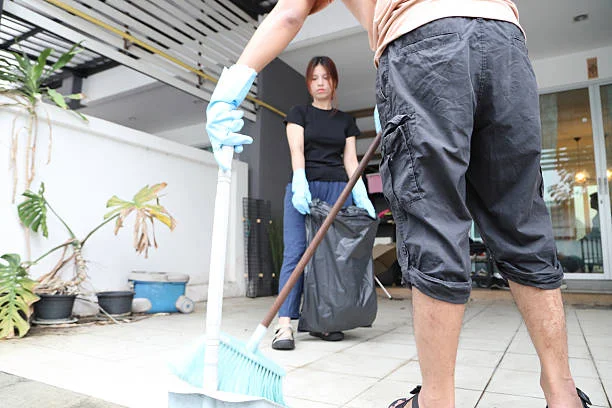
Moving out of a rental usually means fitting several jobs into the same few days. You’re packing boxes, arranging removalists, clearing out cupboards and working towards a deadline for returning the keys. Cleaning often happens at the end of that schedule, when there’s the least time to go back for anything you’ve missed.
An empty property makes the job easier, but it also reveals areas that were out of sight during the tenancy. Dust behind the fridge, crumbs in drawer runners and dirt in sliding door tracks can become obvious as soon as your belongings are gone. Working from a checklist gives you a practical way to tackle those details and check each room before handover.
Whether you’re doing the work yourself or booking an end of lease cleaner in Sydney, here’s how to plan the clean, what to look for in each room and what to confirm before you book.
Start with the condition report and plan around key returnFind your entry condition report and any photos you took when you moved in. Walk through the property and compare what you see with those records. Pay particular attention to areas where you remember existing marks or damage, such as chipped tiles, scratched floors or stained benchtops. If the property manager has sent a handover checklist, read it early so you can flag any specific cleaning requests before arranging the work.
If your schedule allows, leave time between the removalists finishing and the keys going back. Furniture and boxes can block access to skirting boards, wardrobes and floors. A removalist may also track dirt through a hallway you’ve already mopped. Cleaning once the property is empty gives you access to those areas and makes the final walkthrough easier.
Keep a small kit out of the moving boxes. Bin bags, cloths, a vacuum attachment and a torch are useful for the last check. Before you leave, look inside any cupboard or drawer you used to store packing supplies during the move.
Kitchen: Allow time for the oven and rangehoodStart with the kitchen if you’re cleaning the property yourself. Ovens, rangehood filters and stovetops can take longer than expected, especially if grease has built up. Beginning here gives you time to work through the appliances and come back to check them once the surfaces are dry.
Check the oven interior, racks, trays, door glass and handle. On the stovetop, look around burners, knobs and edges where crumbs or residue can collect. Give the rangehood exterior and accessible filters a separate check. If you’re unsure how a filter or component comes out, follow the appliance instructions.
Empty cupboards and drawers before wiping them. Look under shelf liners, around drawer handles and in the corners of the cupboard beneath the sink. Pull the bins out if you can safely do so and check the base of the cabinet for spills. Wipe the splashback, benchtops, sink and taps, then finish the floor after the higher surfaces are clean.
If you’re booking a cleaner, mention the condition of the oven when requesting a quote. Ask what the standard oven clean covers and when heavy build-up would require extra work. Also confirm the scope for any appliances that belong to the property, particularly if you want their interiors cleaned.
Bathrooms and laundry: Check glass, fittings and storageShower glass can look clean while it’s wet. Once it dries, soap residue and water marks are easier to see. Check the inside of the shower screen, the lower edge of the door and any tracks where water collects. Around taps and drains, look for build-up along the base of fittings and at the edges of the basin or bath.
Work through the toilet, vanity, mirror, tiles and floor. Remember the outside of the toilet base, the space behind it where accessible and the shelf under the basin. Empty the vanity drawers and check for hair, dust or leaked toiletries. Look up at the exhaust cover, which can collect dust even when the rest of the room is cleaned regularly.
In the laundry, clean the tub, taps, splashback and accessible cabinetry. Once the washing machine has been removed, check the floor and skirting behind it. If a washer or dryer belongs to the property and will stay in place, let the cleaner know which surfaces are accessible and ask what’s included.
Bedrooms and living areas: Work from high surfaces to floorsStart by checking ceiling corners for cobwebs and looking at accessible ledges, shelves and door frames. Then work down to switches, handles and skirting boards. This order helps keep dust from falling onto surfaces you’ve already cleaned.
Check built-in wardrobes after packing. The top shelf can hold dust, while the lowest corners often collect lint or items that have fallen behind stored belongings. Wipe shelves and handles, then vacuum inside the wardrobe. If it has sliding doors, run a narrow vacuum attachment along the track before wiping it.
Once furniture is out, look along the walls where beds, desks and sofas were positioned. Dust can build up along skirting boards you haven’t reached in months. Check frequently touched areas around doorways and switches for marks. Use a method suited to the surface and test it in an inconspicuous spot if you’re unsure how the finish will respond.
Vacuum or mop at the end, including the area behind doors. If you need carpet steam cleaning, confirm which rooms, hallways or stairs it applies to and whether it’s priced separately.
Windows, doors and balconies: Confirm which areas are includedWindow cleaning involves several surfaces. The internal glass can be clean while dust remains on the frame, sill or track. Start by lifting loose debris from tracks with a narrow vacuum attachment or a soft brush, then wipe the accessible surfaces. Give sliding doors the same attention, especially near balcony entrances where grit can collect.
Check what the quote covers for blinds, curtains and external glass. An internal window clean and an external window clean can involve different access and equipment. If your property has upper-level windows or glazing that can only be reached from outside, explain the access situation when you request a quote.
For an apartment with a balcony, check the corners, door threshold and area where outdoor furniture or pots were placed. If the balcony is part of the clean you want, ask for it to be listed in the quote so you know which surfaces are covered. Confirm building arrangements for lift bookings, parking and access before the cleaning date.
Request a quote that reflects your propertyA bedroom count gives a cleaner a starting point. The number of bathrooms, the condition of the kitchen and the amount of glass or outdoor space can all affect how much work is involved. Two apartments with the same floor plan may need different amounts of cleaning depending on their condition and the services requested.
When asking for a Sydney end of lease cleaning quote, include:
The suburb and property type, such as a unit, townhouse or house.The number of bedrooms, bathrooms and additional rooms, including studies or laundries.Whether the property will be empty and when the keys are due back.Areas that need extra attention, such as an oven with heavy grease or a shower with visible build-up.Any requested add-ons, such as carpet steam cleaning or external window cleaning.Access details, including parking, stairs, lift bookings and key collection.If your property manager has flagged particular areas, share that list before the cleaner confirms the scope. Ask what’s included in the quoted price and how to request a re-clean if a covered item is missed. Getting these details before booking gives you a clear basis for checking the work at handover.
Do a final walkthrough before returning the keysWalk through the property in daylight if possible. Open each cupboard and wardrobe, check behind doors and look along skirting boards from floor level. In the kitchen, open the oven and inspect the rangehood. In the bathroom, check the shower screen after it has dried. Finish at the front door and look back along the main walkway for footprints or debris from the move.
Take photos of the rooms and any areas your property manager specifically asked about. If you find an issue after a professional clean, a clear photo and the location help the cleaner understand what needs attention. If you can, keep access available until you’ve completed the walkthrough and raised any concerns.
Book end of lease cleaning in SydneyTara End of Lease Cleaning Service Sydney provides checklist-based move-out and bond cleaning for residential and commercial properties across Greater Sydney. Our insured, police-checked cleaners work in houses, apartments, townhouses, offices, shops and warehouses. The standard residential checklist covers key handover areas, including kitchens, oven interiors, bathrooms, floors, skirting boards, internal windows and tracks. Carpet steam cleaning and external window cleaning are available as add-ons.
We offer a free 72-hour re-clean for covered items missed during the original service. Same-day and next-day bookings are subject to availability. For a free quote, call 0416 001 043 or send your property details through our website. Tara End of Lease Cleaning Service Sydney