Canada
 Cayman Islands
 Dominican Republic
 Hong Kong
 India
 Indonesia
 Ireland
 Jamaica
 New Zealand
 Singapore
 Thailand
 United Kingdom
 United States
 Vietnam

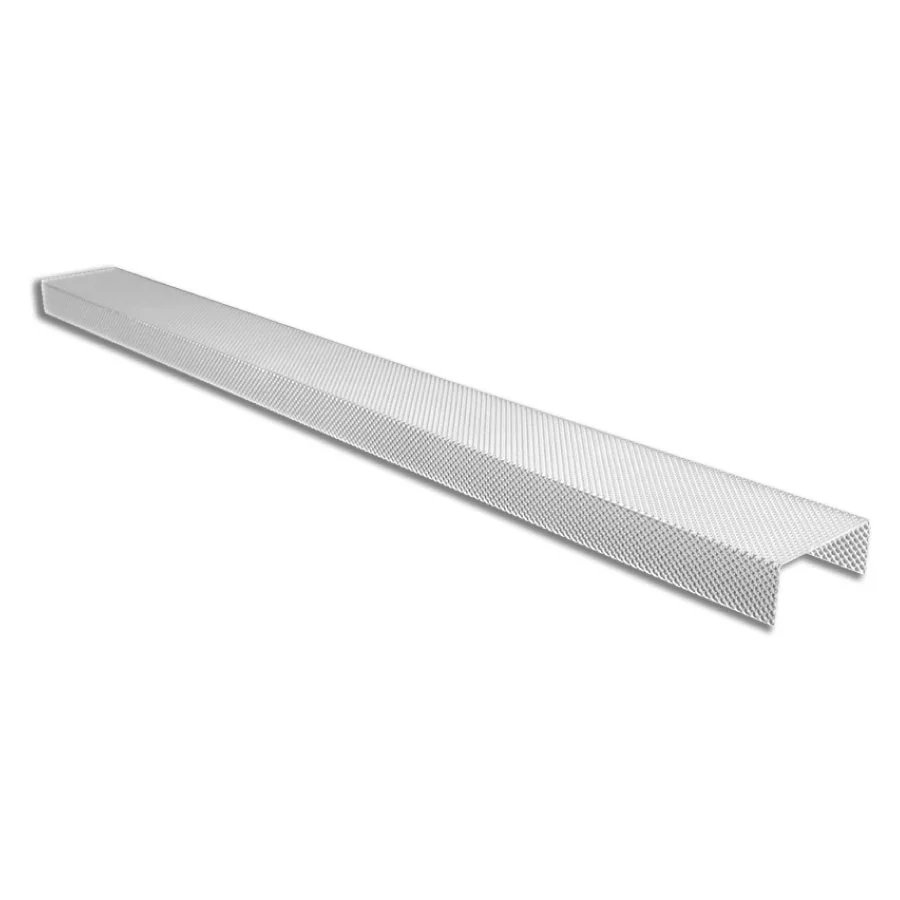
If you’ve ever stood under a corridor light and wondered why the building’s electrical bill looks higher than expected, you’ve bumped into power factor. It’s one of those quiet numbers that never shows up on a fixture’s front label. It won’t change how bright an LED batten looks, but it does shape how much current the circuit has to carry to make that light happen.
What Power Factor Actually Measures
Power factor compares the real power doing useful work with the apparent power the circuit draws. A perfect ratio sits at 1.0. Anything lower means the wiring carries extra current that never turns into light or heat in the room. Think of it as wasted effort hidden inside the cables.
Why Cheap Drivers Can Drag It Down
Every LED batten relies on an internal driver to convert mains power into the low voltage the diodes need. Some basic drivers pull current in short spikes instead of a smooth wave. That distortion drops the power factor, so a twin 20-watt batten can ask more from the circuit than its label suggests.
Where the Effects Show Up
A low power factor pushes up the current on every run. That means warmer cables, tighter circuit limits, and less room to add fittings later. Some commercial electricity contracts also include charges for poor power factor, so a large batch of cheap battens can cost more than the sticker price implied.
Choosing the Right Model for a Healthy Ratio
Look past lumens when you shop for LED battens. Check the power factor on the spec sheet, not just the brochure. Twin-tube 2 ft and 4 ft models, including the 2x10W and 2x20W options, cover most room lengths, while wire guard and tri-proof versions suit workshops and damp areas.
Emergency Backup Adds Another Layer
Units built for LED batten emergency lighting carry a battery as well as a driver, so their charging circuit draws power from the building too. Many models in this range use lithium batteries, a detail worth checking on the spec sheet. The 4 ft model measures about 1226 mm long and only 91 mm deep, so it fits tight ceiling voids.
Commercial Installs Deserve a Closer Look
A single floor can easily hold dozens of commercial LED batten lights on one circuit. Small per-fitting differences add up fast across that many units. Ask your supplier for power factor figures and run the numbers for the whole circuit before you order. Your electrician will appreciate the question, too.
Power factor won’t grab headlines, but it quietly shapes how your lighting behaves on the wiring. Check the spec, ask the question, and your circuits will run cooler and much calmer for years to come. For learn more https://www.tamada.com.au/pages/preservative-free-wines