Canada
 Cayman Islands
 Dominican Republic
 Hong Kong
 India
 Indonesia
 Ireland
 Jamaica
 New Zealand
 Singapore
 Thailand
 United Kingdom
 United States
 Vietnam

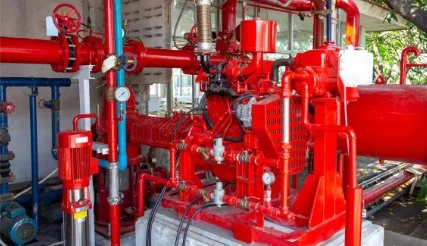
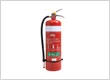
Most offices keep a small handheld extinguisher near the door and figure they’re covered. For many spaces, that’s a reasonable setup. A warehouse loading dock, a commercial kitchen, or a factory floor is different, though. Those areas can hold far more fuel than a small unit can handle, and that’s where the choice between a wheeled model and a handheld starts to matter. Anyone managing a site should ask that question early.
Where Size Starts to Matter
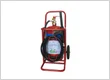
Handheld extinguishers are built for one person to carry and aim, usually for a short, controlled burst. A large capacity fire extinguisher holds far more agent, with dry powder models starting around 25 kilograms and foam units starting around 25 liters. That extra volume gives you longer discharge time and more coverage when a fire is already spreading.
Moving Heavy Gear Around the Site
The catch is weight. A unit that size is too heavy for most people to carry any distance, so mobility often becomes the deciding factor. Some sites rely on a trolley fire extinguisher because one person can roll it across a loading bay instead of lugging it. Keep the route clear, though, since a wheeled unit only helps if it can reach the fire.
Matching the Agent to the Hazard
A wheeled fire extinguisher comes in different agents, and that choice matters as much as size. ABE dry powder models cover ordinary combustibles, flammable liquids, and electrical equipment. Foam units suit many liquid fires, and fluorine-free options are available. Pick the agent after you know what’s actually stored in the room, not what the room looks like.
Keeping Them Secure and Visible
Heavy units need solid support. Wall brackets and vehicle brackets keep them anchored, and a sturdy cabinet keeps them protected from knocks. Pair them with clear signage so people spot them fast, especially in dim corners and back rooms where nobody looks twice. A quick monthly glance takes less than a minute and catches problems early.
When a Handheld Still Makes Sense
Wheeled models aren’t a universal upgrade. Offices, corridors, and small kitchens usually suit handhelds because they’re quicker to grab and simpler to store. Most workplaces end up with a mix of both types, and a quick site walk-through shows where each one belongs.
The Bottom Line
Go wheeled when the fire risk is bigger than a person can fight with a handheld. Keep the path clear, check the pressure gauge on schedule, and make sure staff know exactly where the unit lives. An extinguisher only helps if someone can reach it and knows how to use it. Most teams don’t think about placement until a drill exposes a gap. For learn more https://www.firefactory.com.au/fire-extinguishers/mobile-extinguisher/