
 Canada
 Cayman Islands
 Dominican Republic
 Hong Kong
 India
India
 Indonesia
 Ireland
 Jamaica
 New Zealand
 Singapore
 Thailand
 United Kingdom
 United States
 Vietnam

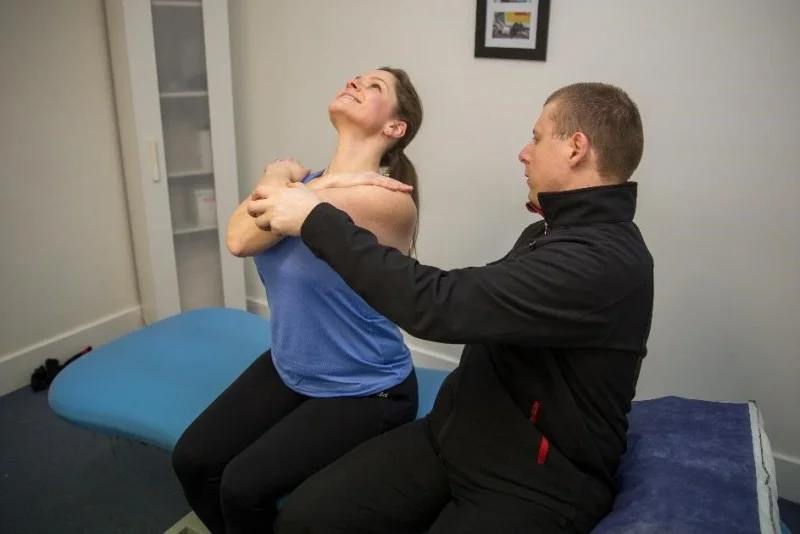
Your shoulders can move in almost any direction. This flexibility is great for lifting, swimming, and daily life, but it comes with a catch. The shoulder joint depends on muscles and tendons to stay stable. That makes it easy to hurt if your workout habits slip. Most gym injuries don't happen all at once. They build up from tiny mistakes, rushed progress, and poor rest. Spotting these habits early will keep you safe and strong.
Skipping Proper Warm-Ups
Going straight to heavy weights is a bad idea. Warm muscles handle heavy loads much better than stiff ones. Take a few minutes before you lift to do light movements and quick mobility drills. This prepares your body for pressing and pulling. People who look up top shoulder dislocation treatment clinics often find out that simple habits are the best defence. A quick warm-up is always better than a complex cure.
Choosing Weight Over Technique
It feels good to add weight to the bar, but doing it too fast ruins your form. You might flare your elbows or swing your body just to finish a rep. This puts heavy stress on your joints. Instead, move with control. Your stabilizing muscles need time to catch up to your strength. On moves like the bench press, perfect form matters more than a heavy plate. Plus, clean technique makes it easier to track your real progress.
Ignoring Muscle Balance and Recovery
Many people focus too much on the mirror muscles, like the chest and front shoulders. They forget about the upper back and rotator cuff. This imbalance pulls your shoulders out of alignment. Rest is just as vital. Training the same muscles every day stops them from healing. If you are wondering who provides shoulder instability treatment, remember that balance and rest are your first steps. Rest days are not wasted time. They are when you actually grow stronger.
Pushing Through Pain Signals
A little muscle burn is normal, but sharp pain is a warning. Never ignore clicking, weakness, or a pinching feeling. Pushing through these signs turns small tweaks into major setbacks. Avoid any exercise that feels awkward or causes pain. Swap it for a safer move or drop the weight. Paying attention now stops minor aches from becoming big problems later.
Healthy shoulders need smart training and patience. Work out with care, and your body will thank you. For learn more https://mdhealth.com.au/physiotherapy/