Canada
 Cayman Islands
 Dominican Republic
 Hong Kong
 India
 Indonesia
 Ireland
 Jamaica
 New Zealand
 Singapore
 Thailand
 United Kingdom
 United States
 Vietnam

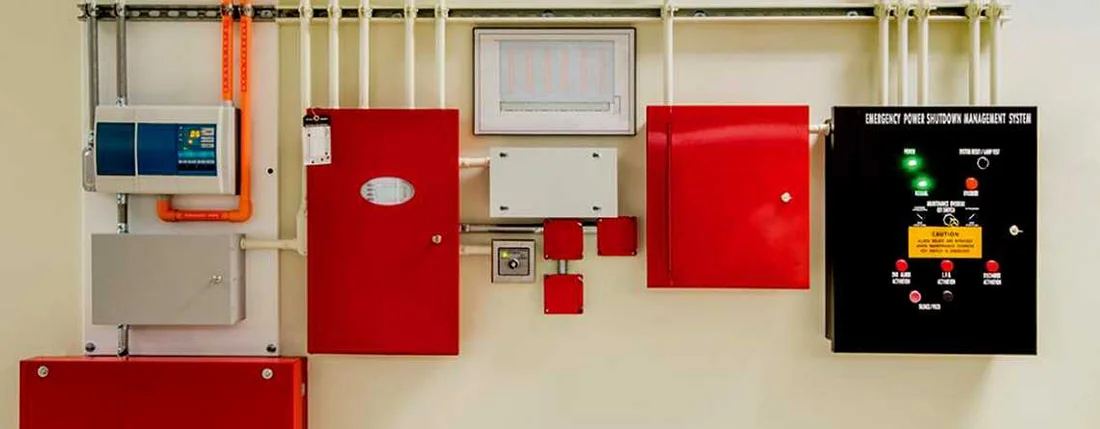
Walk through a busy office and you’ll probably spot a red extinguisher near the elevator, another by the kitchen, and maybe one tucked behind a door. Ever wonder if that’s really enough? No single number fits every commercial building. The right count depends on a handful of practical factors, and once you know them, the answer gets much clearer.
Floor Count and LayoutSize and layout come first. Commercial spaces with several levels need extinguishers on every floor, so a four-story office will need more than a single-level shop. Warehouses and retail stores usually start with at least one unit per floor, placed near each stairwell and in prominent spots like main exits or utility rooms.
Occupancy and Foot TrafficBusy floors call for more coverage. A call centre packed with staff or a café during the lunch rush carries different risks than a quiet accounting firm. Heavy foot traffic also means people may not know where the nearest unit hangs, so visibility matters.
Fire Hazards Inside the BuildingThis is where the count really shifts. Areas with multiple electrical sources need extra extinguishers as a safeguard. Kitchens and laboratories that handle combustible materials often need a few more than the standard layout suggests. Think about what’s actually stored and used in each room, not just how big it is.
Exits, Stairwells and Ignition PointsPlacement follows risk. Extinguishers belong near heaters, electrical sockets, and other ignition sources, since that’s where a small fire usually starts. They also need to sit close to main exits, so people can grab one on the way out. Most owners don’t think about sightlines until a dim back room turns into a problem, so emergency lighting in basements and storerooms is worth considering.
Keeping Extinguishers ReadyA correct count only helps if every unit works when needed. That’s why a regular fire extinguisher service in Sydney matters so much. A technician checks pressure, seals, and physical condition, and flags anything that needs refilling or replacing. Keep in mind that a unit used even briefly still needs a recharge.
Annual checks sit at the heart of fire extinguisher maintenance in Sydney. Inspectors look for bumps, scratches, accidental discharges, and worn parts, and the work should follow the NFPA-10 standard for portable extinguishers. Owners should keep a record of each service, since many insurers and health and safety inspectors ask to see it.
Getting the Count Right
Start with the floor plan, then walk each level and note the occupants, hazards, and exits. Two buildings of the same size can need very different numbers. Get a professional opinion before finalising the layout, because a quick site walk often catches gaps that a floor plan misses.