 Canada
 Cayman Islands
 Dominican Republic
 Hong Kong
 India
India
 Indonesia
 Ireland
 Jamaica
 New Zealand
 Singapore
 Thailand
 United Kingdom
 United States
 Vietnam

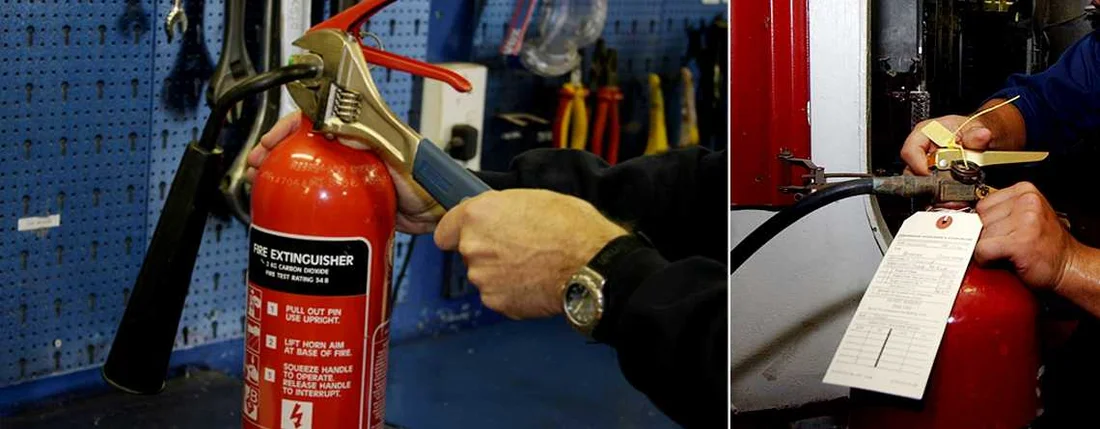
A fire extinguisher can stop an incident in its tracks, but only if what's inside matches what's burning. Offices, kitchens, workshops, warehouses, and plant rooms all carry different hazards, and treating every area the same way can leave workers with equipment that doesn't work, or worse, makes things unsafe.
Know the Fire, Then Choose the Equipment
Australian fire classes cover ordinary combustibles, flammable liquids, flammable gases, combustible metals, energised electrical equipment, and cooking oils or fats. Water suits paper, timber, and fabric, but has no place near live electrical equipment or burning oil. Wet chemical units are built for kitchen risks, while carbon dioxide is usually the go-to for electrical fires.
Why the Wrong Choice Creates Extra Danger
Grab the wrong extinguisher and you risk spreading burning liquid, triggering a splash, damaging equipment, or an electric shock. Dry chemical powder covers a lot of bases, but the residue can wreck electronics and fill a room with dust that cuts visibility fast. It pays to check the label and fire rating before an emergency, not during one.
Match Extinguishers to Each Work Area
A Sydney office typically needs coverage for paper, furnishings, computers, and switchboards. Add a kitchen, and hot oils and fats join the mix. Automotive workshops bring fuel, solvents, batteries, and welding gear into play. A proper risk review maps this to the right extinguishers, quantities, ratings, and locations. Professional fire extinguisher installation in Sydney should also factor in clear access, identification signage, mounting, and travel distance.
Placement Is Part of Correct Selection
Even the right extinguisher loses value if it's buried behind stock, furniture, or machinery. Fire and Rescue NSW recommends keeping units conspicuous and easily reached, with clear space around them. Workers should be able to grab one without walking toward the fire or getting cut off from an exit.
Plan for Cost and Ongoing Care
Fire extinguisher installation cost comes down to site layout, the mix of hazards, cylinder types, ratings, brackets, signage, and how many units are needed. Skimping on numbers without a risk-based plan tends to leave coverage gaps and cost more later. Routine inspections matter just as much, checking pressure, damage, seals, hoses, labels, access, and service history.
Review the Setup When Work Changes
New machinery, partitions, cooking equipment, stored chemicals, or a shifted escape route can quietly make an old extinguisher plan outdated. It's worth revisiting fire protection after any renovation or operational change. Get the selection, placement, servicing, and staff knowledge right, and every extinguisher has a real chance of doing its job when it counts. For learn more https://www.majesticfire.com.au/fire-extinguisher-service/