
 Canada
 Cayman Islands
 Dominican Republic
 Hong Kong
 India
India
 Indonesia
 Ireland
 Jamaica
 New Zealand
 Singapore
 Thailand
 United Kingdom
 United States
 Vietnam

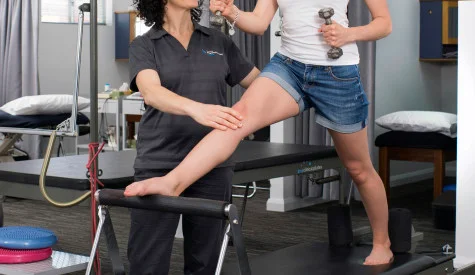
Two people can walk into the exact same studio with the same goal in mind and still need completely different exercises to get there. That's the whole point of working with a physiotherapist rather than following a generic class, and it's worth understanding how that process actually plays out in practice.
It Starts With an Assessment, Not a Routine
Before any movement gets prescribed, a physiotherapist looks closely at how a person actually moves. That includes checking joint range, muscle strength on each side, posture under load, and any pain patterns tied to daily activity or old injuries. Morley Clinical Pilates sessions typically open this way, with the first visit focused on gathering information rather than jumping straight into exercises.
Matching Movement to the Underlying Issue
Once the assessment wraps up, a physiotherapist decides which direction of movement suits that particular person best. Someone with a disc-related back issue might respond better to certain spinal positions than others, while a shoulder recovering from surgery needs an entirely different loading pattern altogether. This isn't guesswork. It follows an understanding of how specific tissues heal and how movement either supports or aggravates that process.
Equipment Gets Chosen for a Reason
Reformers, stability balls, and resistance bands aren't interchangeable props. A reformer's spring tension can be adjusted to reduce load on a healing joint, while a stability ball challenges balance in ways that suit someone rebuilding core control after pregnancy or a long layoff away from exercise. The equipment gets selected based on what the body actually needs at that stage of recovery, not what looks impressive in a session.
Progression Happens on Its Own Timeline
What works well in week one rarely stays quite the same by week six. A physiotherapist adjusts resistance, range, and complexity as strength returns, watching for compensations that creep in when someone starts to overdo it too soon. This ongoing supervision separates Morley physiotherapist-led Pilates programs from group classes, where instructors can't realistically track individual progress at that level of detail.
Small Adjustments Add Up
A slight change in foot position, breathing pattern, or pelvic tilt can shift how much work a particular muscle group is actually doing. These corrections happen in real time, something that's nearly impossible to replicate through a video or a generic printed program.
Working with someone who adjusts the plan as the body itself changes tends to produce results that last, rather than exercises that were never quite right for the person doing them in the first place. That ongoing feedback loop, more than any single exercise, is what makes the tailored approach worth the extra attention. For learn more https://morleyphysio.com.au/clinical-pilates/