Canada
 Cayman Islands
 Dominican Republic
 Hong Kong
 India
 Indonesia
 Ireland
 Jamaica
 New Zealand
 Singapore
 Thailand
 United Kingdom
 United States
 Vietnam

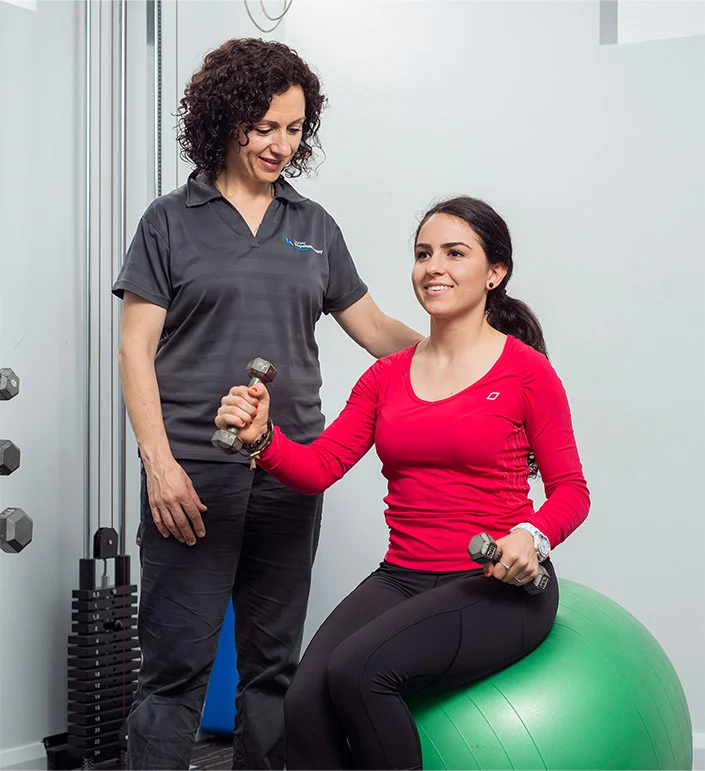
Walk into a typical gym Pilates class and you’ll likely follow the same routine as everyone else. Plenty of people assume Pilates is just stretching, but the clinical version is closer to targeted rehab. Clinical Pilates works differently. Before anyone steps onto a reformer, a physiotherapist completes a thorough musculoskeletal assessment, and that assessment shapes everything that follows. If you’re searching for physiotherapist-led pilates in Morley, this first step is what sets the program apart.
Finding the Weak Spots First
The assessment looks for anatomical weaknesses, the places where your body isn’t pulling its weight. Nobody gets a generic workout here. Two people with the same diagnosis can leave with completely different programs. Each program is built around what the assessment finds, along with your own goals. That’s the main difference between a clinical session and a class designed for the average person.
Why Training Changes Exercise Choice
Many people come in looking for pilates for back pain, but the exercise that suits one person can aggravate another’s sore spine. Physiotherapists understand how an injury behaves and which muscles a move really targets. That’s why the therapist chooses each exercise with your history in mind and adjusts it as you improve.
Progress isn’t always a straight line, either. Pain can ease and then flare up again. That’s when the program gets adjusted, so exercises match where you are now rather than where you were last month.
Resistance You Can Actually Control
The reformer and trap table are the two main pieces of equipment in the studio. Both are based on the original slings and springs Joseph Pilates designed, and their springs let the therapist dial resistance up or down with real precision. A beginner and a stronger patient can run the same sequence at very different loads. The work stays challenging for both without pushing either too hard.
Building Resilience Over Time
Most people don’t think about injury prevention until something goes wrong. Clinical Pilates flips that habit. The strengthening work targets deep muscles and overall stability, so you’re building a foundation rather than patching a problem. For many people, pilates for injury prevention is mostly about staying active without waiting for a flare-up.
Booking a Session
Sessions run on Tuesdays and Thursdays from early afternoon through 8pm, and they’re by appointment only. If you’ve tried a gym class and felt lost or sore, that’s worth mentioning when you call. Give Morley Physiotherapy Centre a quick call to ask whether the program suits your situation. Their physiotherapists trained through a Clinical Pilates course accredited by the Australian Physiotherapy Association. A short chat is usually the best first step for most people.