 Canada
 Cayman Islands
 Dominican Republic
 Hong Kong
 India
India
 Indonesia
 Ireland
 Jamaica
 New Zealand
 Singapore
 Thailand
 United Kingdom
 United States
 Vietnam

A screwdriver, computer mouse or pruning shears can feel harmless until the same movement is repeated hundreds of times. Then a dull elbow ache starts following you home. Repetitive loading may irritate the tendons around the joint, making gripping, lifting a kettle or turning a door handle surprisingly uncomfortable.
Why Repetition Can Trigger Elbow Pain
Tendons connect muscle to bone and adapt to regular use, but they can become painful when workload rises faster than the tissue can tolerate. Pain on the outside of the elbow is often linked with lateral elbow tendinopathy, commonly called tennis elbow. Pain on the inside may involve different tendons, while tingling into the ring or little finger can point to ulnar nerve irritation.
A practical point: the sorest movement is not always the true source. Someone may blame typing, yet the bigger load comes from weekend gardening or gripping tools tightly at work.
Symptom
Possible Clue
Outer elbow pain
Repeated gripping or wrist extension
Inner elbow pain
Forceful pulling or wrist flexion
Tingling or numbness
Possible nerve involvement
Swelling after impact
A different injury may be present
What A Physiotherapist May Assess
A physiotherapist will usually ask when symptoms began, which movements provoke them and how work, sport or home tasks affect the area. The assessment may include grip strength, wrist and elbow movement, tendon loading tests, neck screening and checks for nerve sensitivity.
This matter because elbow pain is not one diagnosis. Treatment should match the irritated structure and the person’s actual workload.
How Physiotherapy Can Help
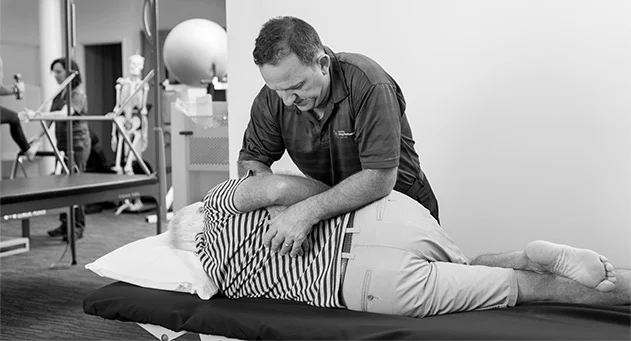
Management often combines load adjustment with a graded exercise program offered by Dianella physio. Complete rest for weeks can reduce symptoms temporarily, but tendons usually need carefully increased activity to rebuild tolerance. Healthdirect notes that physiotherapists may prescribe stretching and strengthening exercises, and sometimes suggest a forearm brace or strap.
Treatment may include:
changing grip, tool height or keyboard position;exercises for the wrist, forearm and shoulder, progressed over time;hands-on treatment for short-term symptom relief, where appropriate;a practical plan for returning to heavier duties.One small adjustment can make a real difference. A tradesperson who swaps a narrow tool handle for a thicker grip may reduce the force needed from already irritated forearm muscles.
Managing the Workload Between Appointments
Pain does not always mean you must stop every activity. Instead, reduce the most aggravating tasks, break long jobs into shorter blocks and avoid repeatedly “testing” the sore movement. Better Health Channel advises that overuse or repeated pressure can overload elbow tendons, with recovery sometimes taking months.
Progress is rarely perfectly linear. Symptoms may settle, then flare after an unusually busy shift or a long DIY job. That does not automatically mean fresh damage. It often signals that the recent load exceeded current capacity, so the plan needs adjustment.
Seek medical assessment sooner if pain follows a fall, the elbow looks deformed, weakness appears suddenly, or numbness persists. Night pain, marked swelling or worsening symptoms also deserve review.
Local Support for A Sore Elbow
Morley Physiotherapy Centre offers assessment and rehabilitation through its Dianella physiotherapy service. They can look beyond the painful spot, consider the movements driving it and build a plan around work, exercise and everyday demands.
For more information visit https://morleyphysio.com.au/dianella-physio/ now.