 Canada
 Cayman Islands
 Dominican Republic
 Hong Kong
 India
India
 Indonesia
 Ireland
 Jamaica
 New Zealand
 Singapore
 Thailand
 United Kingdom
 United States
 Vietnam

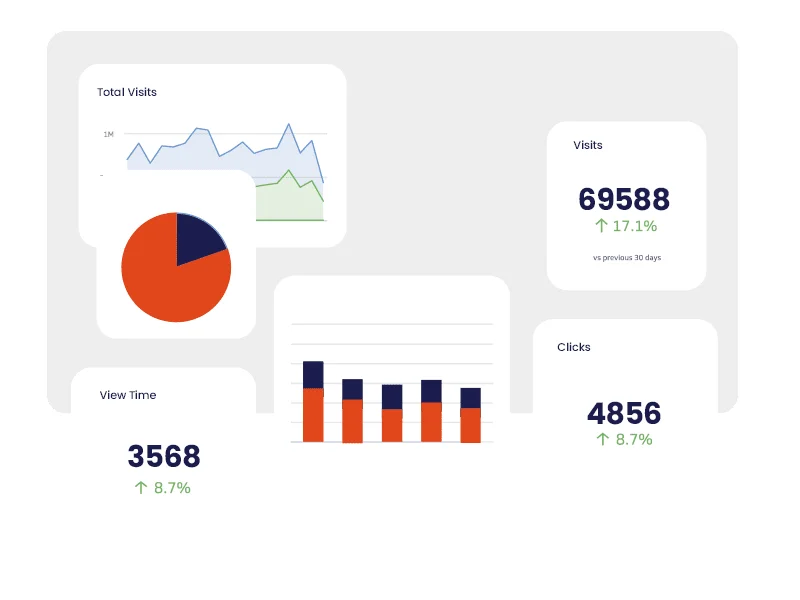
Search visibility is changing. Bing Webmaster Tools shows websites cited across Microsoft Copilot, AI-generated Bing summaries and selected partner experiences. For Australian brands, that shows whether content feeds AI answers, rather than relying on rankings and referral traffic alone.
Bing AI Performance Explained
Microsoft introduced AI Performance in Bing Webmaster Tools in February 2026. The dashboard reports total citations, average cited pages, grounding queries and citation trends. It gives marketers using generative engine optimisation services, a first-party view of how Bing’s AI systems reference content, although the data is aggregated.
What AI Citations Actually Measure
A citation records when content is visibly referenced or shown as a source in a supported AI-generated answer. It does not prove authority, ranking position or influence over the final response. A rising citation count shows greater presence, but brands still need context.
Page-Level Citation Activity
The Pages view reveals which URLs receive the most citations. Brands can compare guides, service pages, research and explainers to see what AI systems repeatedly retrieve. An AI SEO agency can use this evidence to spot content formats and subject areas worth attention. (Search - Microsoft Bing)
Reading Visibility Trends
Bing charts citation volume across selected periods. Changes may reflect shifts in user questions, content updates or system changes, so a spike should not automatically be credited to one optimisation. The value lies in watching patterns and comparing them with publishing activity.
What This Means for Australian Brands
Australian businesses now have more tangible evidence of AI discovery inside Microsoft’s ecosystem. Strong visibility may come from pages that answer specific needs clearly, contain credible information and are easy for search systems to interpret. Local relevance can matter when content addresses Australian terminology, services, regulation or customer concerns.
Finding Content Opportunities
Grounding queries show grouped phrases used when AI retrieves cited content. They are not full user prompts, but they can expose themes where a brand already has traction. Teams working on AI search optimisation can map those phrases to cited pages, identify gaps and improve coverage where demand appears consistent.
What GEO Agencies Should Report
Reporting should cover citation totals, cited URLs, grounding-query themes, trends and, where available, citation share or topic data. Agencies should also explain what the numbers cannot prove. Citation activity without context can become another vanity metric. (bing.com)
Moving Beyond Rankings and Clicks
Traditional rankings and organic traffic still matter, but they no longer describe the whole discovery journey. Bing’s AI reporting gives Australian brands another lens: are their pages being selected as sources when AI answers questions? That makes citation visibility a practical measurement layer, not a replacement for SEO in modern Australian search measurement. For learn more https://myohomarketing.com.au/generative-engine-optimisation/?utm_source=geo&utm_medium=geo&utm_campaign=geo_organic