 Canada
 Cayman Islands
 Dominican Republic
 Hong Kong
 India
India
 Indonesia
 Ireland
 Jamaica
 New Zealand
 Singapore
 Thailand
 United Kingdom
 United States
 Vietnam

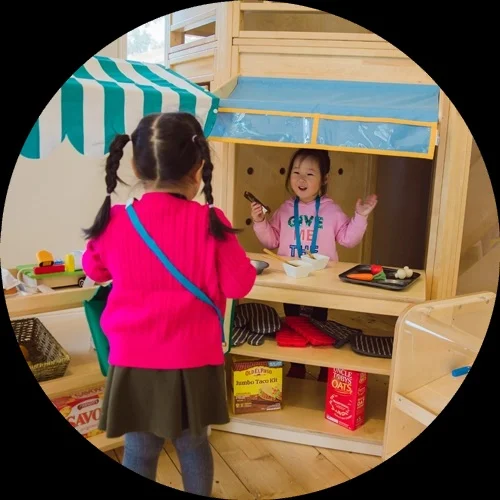
That first day of Prep sneaks up faster than most parents expect. One minute you're packing nappy bags, the next you're labelling a school hat. The good news is that readiness isn't about early reading or perfect handwriting. It's built through everyday moments at home, long before the school bell rings, and a lot of it happens without anyone even noticing.
Teachers consistently say the same thing: children who cope well socially and emotionally settle faster than children who can already spell their name. Skills grow slowly through repetition, patience, and plenty of unstructured play, not flashcards or drills.
1. Confidence to Separate: Children who can say goodbye without a meltdown tend to settle into new routines quicker. Practising short separations, like a playdate or a morning at a daycare in Templestowe, gives kids a gentle taste of independence away from mum and dad.
2. Following Instructions: Ask your child to complete two-step tasks, such as putting shoes away and washing hands. This builds the listening stamina classrooms depend on every single day.
3. Fine Motor Skills: Playdough, scissors, and threading beads all strengthen the small hand muscles needed for pencil grip. These skills develop through play, not worksheets.
4. Emotional Regulation: Teach children simple ways to name big feelings. A calm word like "frustrated" often does better than a time-out ever could.
5. Social Turn-Taking: Board games and backyard cricket teach patience, fair play, and how to lose gracefully. Siblings are surprisingly good teachers here.
6. Oral Language: Chat during car rides, dinner, and bath time. Rich conversation, not flashcards, is what actually grows vocabulary.
7. Curiosity and Problem-Solving: Let children figure things out before rushing to help. A stuck zipper or a wobbly block tower teaches persistence.
8. Basic Self-Care: Zipping jackets, opening lunchboxes, and using the toilet independently free up mental energy for learning once school starts.
9. Number and Pattern Sense: Counting stairs, sorting socks, or spotting shapes on a walk builds early maths thinking without a single worksheet.
10. Routine and Structure: Predictable mornings and consistent bedtimes help children anticipate what comes next, matching exactly what a school timetable demands. A simple visual chart on the fridge can turn a chaotic morning into a calm one.
Final Thoughts
Families settling on a centre for childcare enrolment in Templestowe often find that structured play, social groups, and gentle routines do most of the heavy lifting long before Prep begins. None of these skills need to be perfect by day one. Small, repeated moments at home, paired with quality early learning, tend to matter more than any checklist. Every child gets there at their own pace, and that's exactly how it should be. To know more https://paisleypark.com.au/our-centres/childcare-templestowe-vic/