 Canada
 Cayman Islands
 Dominican Republic
 Hong Kong
 India
India
 Indonesia
 Ireland
 Jamaica
 New Zealand
 Singapore
 Thailand
 United Kingdom
 United States
 Vietnam

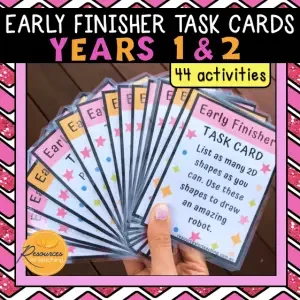
Most of a teacher's workload happens where students never look: planning the same lesson twice, marking piles of books, hunting for resources, entering data, handling admin that lands at the last minute. Cutting those hours doesn't mean lowering the bar. It means protecting the work that actually helps students learn and trimming the tasks that don't. A few deliberate routines can make teaching more sustainable, without lessons losing their spark.
Plan Around the Learning Goal
Start each lesson with one clear goal, and decide upfront what evidence will show whether students got there. This keeps planning grounded. Rather than building elaborate activities first, choose the explanation, practice, and check for understanding that actually serve that goal. Good teacher lesson plans don't need pages of detail they need a clear sequence, plus room to adjust when students struggle or race ahead.
Reuse Structures, Not Entire Lessons
Time gets saved when teachers lean on familiar structures instead of starting from scratch. A quick retrieval task, some modelling, guided practice, independent work, an exit checks this shape works across subjects. The content shifts, but the rhythm stays the same. Students spend less energy decoding new instructions, and teachers stop reinventing the wheel every week. Keep adaptable templates for slides, worksheets, rubrics, and parent messages on hand, and just update what needs updating.
Share the Planning Load
Collaborative planning only pays off when teachers split up real work, not when it turns into another meeting. One person drafts examples, another build checks for understanding, someone else preps extension tasks. Drop the finished materials in a shared folder, labelled clearly with names and dates. A solid lesson plan for teachers becomes far more useful once colleagues can actually find it, tweak it, and reuse it next term.
Make Feedback Faster and More Useful
Not everything needs a paragraph of written comments. Whole-class feedback can tackle common mistakes at once, while short one-on-one chats clear up individual confusion. Self-checking questions, answer keys, and peer review also give students quick, useful information without adding another stack to mark. Feedback should point students toward their next step, if a comment won't change what they do next, it's probably not worth the time it takes to write.
Use Technology with Guardrails
Digital tools can draft quizzes, organise ideas, adjust reading levels, or knock out a first-pass example. But teachers still need to check accuracy, tone, accessibility, and fit with the curriculum. Treat the tool as an assistant, not an autopilot. Saving ten minutes only counts if what's left behind is still correct and right for the class.
Protect What Only Teachers Can Do
The real value shows up when teachers explain tricky ideas, spot confusion early, build relationships, and adjust on the fly. Cut the duplicated paperwork, the overdesigned slides, the marking that leads nowhere. Workload drops when every task has to earn its place and lesson quality holds strong because time flows toward what genuinely helps students learn. For learn more https://resourcesforteaching.com.au/teacher-lesson-plans/