
 Canada
 Cayman Islands
 Dominican Republic
 Hong Kong
 India
India
 Indonesia
 Ireland
 Jamaica
 New Zealand
 Singapore
 Thailand
 United Kingdom
 United States
 Vietnam

Depression doesn't look the same on everyone. One person feels sad all the time. Another feels numb, or restless, or snaps at small things. Some people keep going to work every day while quietly falling apart at night. That's why depression can be easy to miss. It doesn't always match the picture we have in our heads.
Same condition, different faces
Depression can touch your mood, your thinking, your body, and how you act. Low mood and losing interest in things are common signs, but they show up in all kinds of ways. Some people pull away from friends. Others throw themselves into being busy so they don't have to feel anything. Appetite can shift. Sleep can fall apart, or you might sleep far more than usual.
Your biology plays a part
Genes, brain chemistry, hormones and your general health all shape how depression shows up in you. Someone dealing with chronic pain might notice tiredness and trouble focusing before anything else. Hormones during pregnancy, after birth, or through menopause can shift mood too. This is why clinical depression treatments need to fit the person, not follow one fixed script.
Age, gender and background change the picture
Kids and teens often seem irritable, lose interest in school, or complain about headaches and sore tummies. Older adults might talk about memory issues or low energy rather than sadness. Men often show anger or take more risks instead of talking about how they feel. And culture shapes this too. Some people were simply never taught to talk about their emotions.
Life gets in the way of what people see
Work stress, grief, a rough relationship, loneliness or money worries can all change how depression looks from the outside. A parent might seem perfectly organised while feeling completely overwhelmed inside. A student might get called lazy when really their focus and motivation have dropped away. Learning how to treat depression starts with looking at the full picture, not just one symptom.
Getting a proper diagnosis takes time
A doctor or therapist looks at the whole mix of symptoms, how long they've lasted, and how strong they are. They'll also check for other health issues, medicines, or alcohol and drug use. Depression often shows up with anxiety too, bringing worry or physical tension along with it. So many conditions overlap that guessing on your own can miss the real problem.
Care that fits you
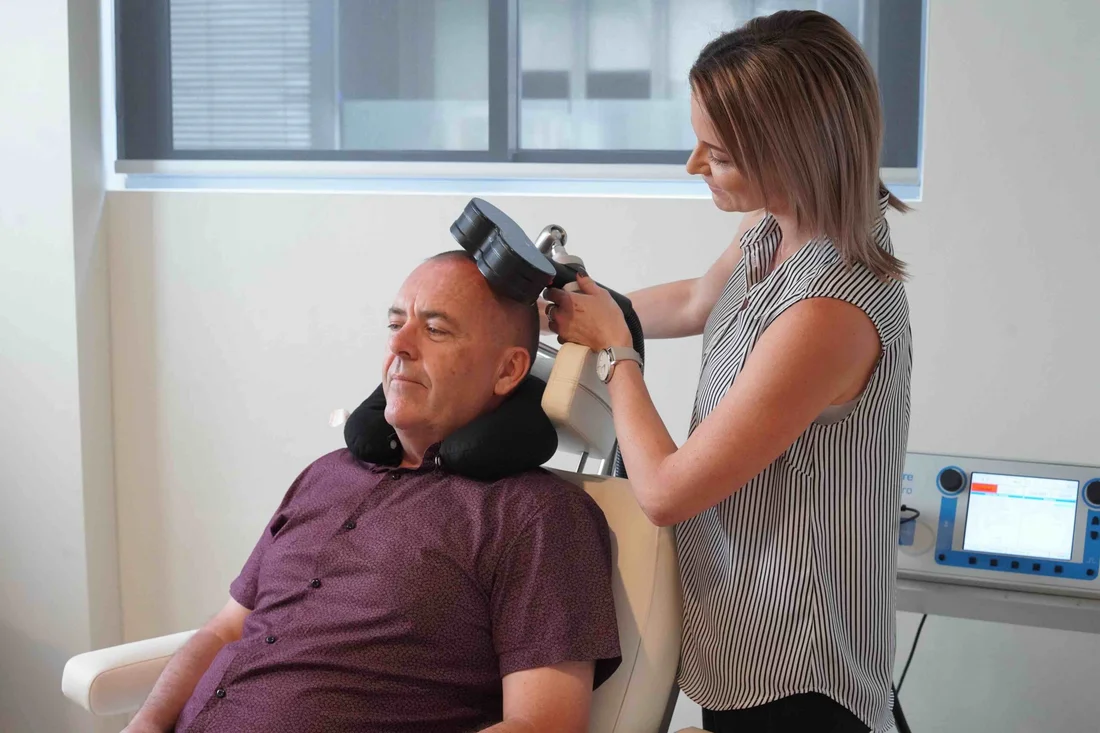
Treatment might mean talking therapy, lifestyle changes, medication, or a mix of these. For people who haven't found relief through the usual paths, magnetic treatment for depression is sometimes discussed after a proper check-up. What works depends on your symptoms, your history, and what's worked or hasn't worked before.
When to reach out
Talk to a mental health professional if things have felt off for two weeks or more, or if it's getting in the way of work, relationships or everyday life. If you're having thoughts of suicide or feel unsafe, get help straight away. Depression wears many faces, and knowing that can help you spot it sooner in yourself or someone you love. For learn more https://www.sydneytms.com.au/treatment-for-depression/