
 Canada
 Cayman Islands
 Dominican Republic
 Hong Kong
 India
India
 Indonesia
 Ireland
 Jamaica
 New Zealand
 Singapore
 Thailand
 United Kingdom
 United States
 Vietnam

Depression doesn't kick the door down. It sneaks in. Sleep gets weird. You stop wanting to do things you used to enjoy. Talking to people feels like a chore. Small tasks pile up and feel huge. A lot of people just wait, hoping it'll pass on its own. But reaching out early can make a real difference. It can stop things from spiralling, help you understand what's going on, and open up more options before things get harder to shift.
Spotting the Signs Before Life Shrinks
Feeling low is just one part of it. Depression can also look like snapping at people, feeling numb, losing focus, eating more or less than usual, feeling wiped out, or pulling away from people you care about. If this has been going on for two weeks or more, or it's messing with your work, study, relationships or basic day-to-day stuff, it's worth talking to a professional. They can also check there's nothing physical causing it.
Why Timing Can Shape Recovery
Getting help early won't fix everything overnight. But it can save you from months of struggling quietly. Support helps you hold onto your routine, stay close to people, and deal with problems before they turn into missed work, loneliness or tension at home. It also gives your doctor a clearer view of what's happening, so they can help you properly.
Treatment Is Not One Size Fits All
There are a few ways to treat depression. Talking therapy, medication, lifestyle changes, or a mix of these. Some people look into magnetic therapy for depression when other treatments haven't done enough. What works depends on you. Your symptoms, your history, what you're comfortable with, what's worked or hasn't before. Good treatment means checking in and adjusting as you go, not just picking one thing and hoping for the best.
Starting Locally Makes Help Easier
Professionals will check in on how you're doing, sort out a Mental Health Treatment Plan, and point you toward the right support. If you're in Sydney, looking up a depression clinic nearby can help you get proper care without a big trek. Telehealth is also handy if you're busy, caring for someone, or just can't get there easily.
When Standard Care Has Not Been Enough
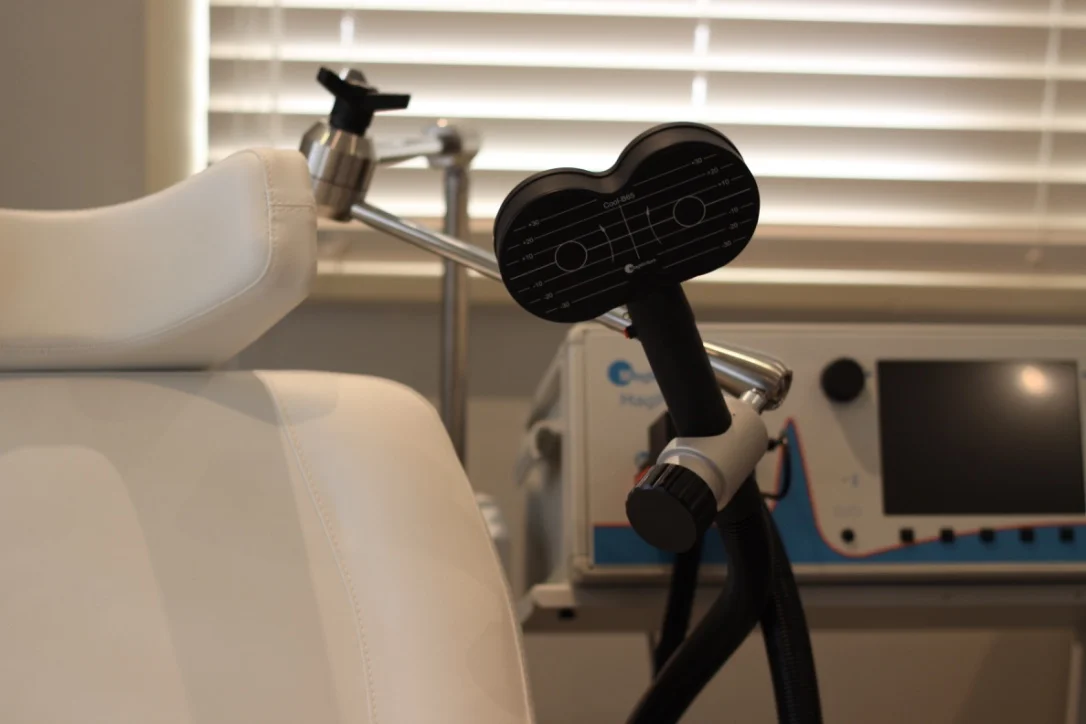
Sometimes depression sticks around even after trying a few things. That's frustrating, but there are more options. A psychiatrist might bring up TMS treatment for depression for the right person. It's non-invasive and uses magnetic pulses to target specific parts of the brain. Your doctor can walk you through whether it suits you, what to expect, and how it works.
A Small Step Still Counts
You don't need the perfect words. Just tell someone you trust, book a professional appointment, or jot down how you've been feeling before you go in. Getting help early won't solve everything at once. But it stops depression from calling all the shots. For learn more https://www.sydneytms.com.au/treatment-for-depression/