 Canada
 Cayman Islands
 Dominican Republic
 Hong Kong
 India
India
 Indonesia
 Ireland
 Jamaica
 New Zealand
 Singapore
 Thailand
 United Kingdom
 United States
 Vietnam

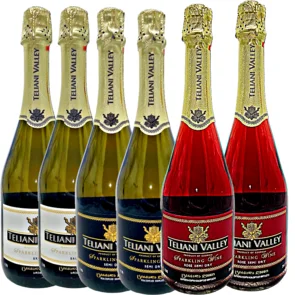
Preservative-Free or Organic Wine? Understanding the Key DifferencesWine labels have gotten a lot more crowded lately, organic, biodynamic, natural, sulphite-free, and half of us just grab whatever sounds healthiest without really knowing what separates one from the other. The two terms that trip people up most often are organic and preservative-free, and while they overlap, they're not actually describing the same thing.
What "Organic" Really Refers To
Organic wine is mostly a statement about how the grapes were grown, not what happens once they hit the fermentation tank. It means no synthetic pesticides, fertilisers, or herbicides touched the vineyard during the growing season. Overseas, rules vary on how much added sulphur a wine labelled "organic" can still contain, and Australia's own standards sit differently again, so the word "organic" alone doesn't guarantee a wine has zero preservatives.
What "Preservative-Free" Actually Means
This one's more specific. Preservative free wine refers to wine made without any added sulphur dioxide; the compound winemakers typically use to stop oxidation and keep bacteria from spoiling the batch. It's worth knowing that a truly zero-sulphite wine doesn't exist, since fermentation itself produces trace sulphites naturally as yeast does its work. What "preservative-free" really promises is that no extra sulphur got added on top of what fermentation already creates.
Why the Two Aren't Always the Same Bottle
A wine can be certified organic and still contain some added sulphites, depending on which organic standard it's certified under. On the flip side, a wine can be preservative-free without being certified organic at all, if a winemaker simply chooses not to add sulphur even though the grapes weren't grown under strict organic guidelines. Many producers now aim for both, growing clean and skipping the added sulphites, since the two approaches tend to appeal to the same health-conscious drinker anyway.
Does It Actually Taste Different?
Reds generally need less added sulphur than whites because their tannins act as a natural preservative, which is part of why no preservative wine shows up more often in the red aisle than white. Some drinkers genuinely can't tell the difference between a low-intervention bottle and a conventional one. Others notice a cleaner finish and less of that dull, foggy feeling the next morning, though that's more likely tied to overall additive load than sulphites alone.
Which One Should You Reach For?
If avoiding pesticide residue in farming matters most to you, organic is the label to check. If sulphite sensitivity or minimising additives in the glass itself is the priority, preservative-free is the more direct answer. Plenty of bottles now tick both boxes, so reading the fine print rather than assuming one word covers everything saves a bit of guesswork at the bottle shop.