
 Canada
 Cayman Islands
 Dominican Republic
 Hong Kong
 India
India
 Indonesia
 Ireland
 Jamaica
 New Zealand
 Singapore
 Thailand
 United Kingdom
 United States
 Vietnam

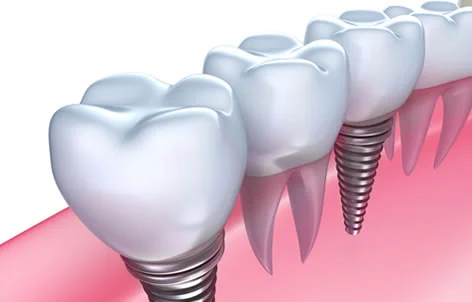
Getting an implant placed and fitted is only half of the story here. What happens underneath the gum afterward decides whether that new tooth lasts for decades or gives trouble down the track. For anyone weighing up dental implants in Sydney, understanding the healing process helps set expectations that actually match reality.
The First Fortnight
The first week or two after surgery is mostly about soft tissue healing, not bone remodelling. Swelling peaks around day two or three, then eases off. Mild bruising is normal, and most people are back to work within a few days, eating carefully on the opposite side of the mouth. Stitches, if used, usually dissolve or get removed around the ten-to-fourteen-day mark. The implant already feels stable at this point, which surprises a lot of patients, but that stability is mechanical, not biological yet.
Where the Real Work Happens
The biological bond, known as osseointegration, is the part that actually matters long-term. Over roughly three to six months, bone cells grow directly onto the implant surface, turning a snug mechanical fit into a permanent anchor capable of handling years of chewing. Nothing about this phase feels dramatic day to day. There's no swelling to track or milestone to notice on a calendar. The jaw is quietly rebuilding itself around a titanium post, and rushing a crown onto it too early is one of the more common reasons implants fail years down the line.
Factors That Change the Timeline
Bone density plays a big part here. Denser jawbone tends to integrate faster and more predictably, while thinner or grafted bone can add extra months to the schedule. Smoking slows healing noticeably, and conditions like diabetes can extend it further.
Signs Worth Watching
Mild discomfort and gentle swelling are expected. What isn't normal is discomfort that worsens after day four, or a sense that the implant feels loose. Either warrants a quick call to the clinic rather than waiting it out.
Timeline at a Glance
Stage
Timeframe
What's Happening
Initial healing
1–2 weeks
Swelling subsides, gum closes
Osseointegration
3–6 months
Bone fuses to implant
Final restoration
After integration
Crown is fitted
Cost, Timing and Realistic Planning
Budget is often the deciding factor in how patients approach treatment, and searching for affordable dental implants in Sydney doesn't mean cutting corners on healing time. A properly integrated implant, priced sensibly, tends to outlast a rushed one. Patience during those quiet middle months genuinely pays off, even when nothing visible seems to be happening at all beneath the surface. For learn more https://www.affordabledentist.sydney/dental-services/dental-implant-cost-1500/