Canada
 Cayman Islands
 Dominican Republic
 Hong Kong
 India
 Indonesia
 Ireland
 Jamaica
 New Zealand
 Singapore
 Thailand
 United Kingdom
 United States
 Vietnam

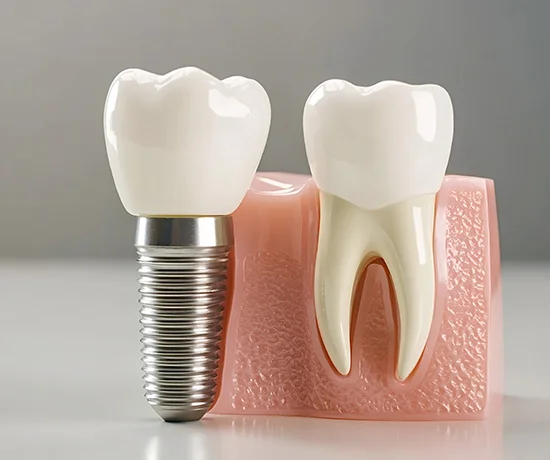
If you’ve had gum disease in the past, you might assume implants are off the table. That’s not automatically the case. Suitability depends on your overall oral and general health rather than a one-size-fits-all rule. What matters most is whether your gums are healthy now, how much bone remains, and whether any infection has been dealt with. Here’s how dentists typically work through it together.
Why Gums Come First
Gum health is where everything starts. Dentists usually treat any gum disease or infection before an implant goes in, and that step often happens during routine general dentistry. Think of it as clearing the ground before you build. A healthy gum line gives the implant a stable place to heal. If you’re researching dental implants in Sydney, book a gum check at your first visit, even if the old problem seems long gone.
Bone Can Often Be Rebuilt
Bone loss doesn’t automatically rule you out. Grafting can often rebuild enough volume to support an implant, which helps if your jaw changed during years of gum trouble. The scan comes first, and it matters. Imaging shows how much bone you have and where it sits, which decides whether you can go ahead or need a graft. Many people search for cheap dental implants in Sydney, but the real cost depends on that assessment.
Smoking, Hygiene, and Health
Smoking won’t stop you from getting treatment, but it raises the odds of problems. Poor hygiene and uncontrolled health conditions do the same. Peri-implantitis, which is inflammation around the implant, is the complication to watch. Regular cleaning and check-ups keep that risk lower. If you’re comparing affordable dental implants in Sydney, count the ongoing maintenance as well as the upfront fee.
Caring for Implants Long Term
Implants can’t decay, but the tissue around them still needs care. Brushing, cleaning between teeth, and professional check-ups keep the gums stable. Survival rates for implants are generally high, yet those numbers describe groups of patients rather than personal promises. Your own gums, bone, and daily habits will shape your result far more than any average. Ask your dentist which steps actually apply to your case.
Questions to Bring to Your Visit
Bring your old dental records if you have them. Dentists want to know when the gum disease was treated, what was done, and whether you’ve had any recurrence since. Be honest about smoking, medications, and any health conditions, even the ones that feel unrelated. Ask how they’ll check your gums and bone, and what the full timeline looks like. You’ll also want to know what happens if a graft is needed, how long healing takes, and what the maintenance schedule involves. Good questions lead to a clearer plan, and a clearer plan means fewer surprises later. Write them down before you go so nothing slips your mind once you’re in the chair. For learn more https://www.affordabledentist.sydney/dental-services/dental-implant-cost-1500/