
 Canada
 Cayman Islands
 Dominican Republic
 Hong Kong
 India
India
 Indonesia
 Ireland
 Jamaica
 New Zealand
 Singapore
 Thailand
 United Kingdom
 United States
 Vietnam

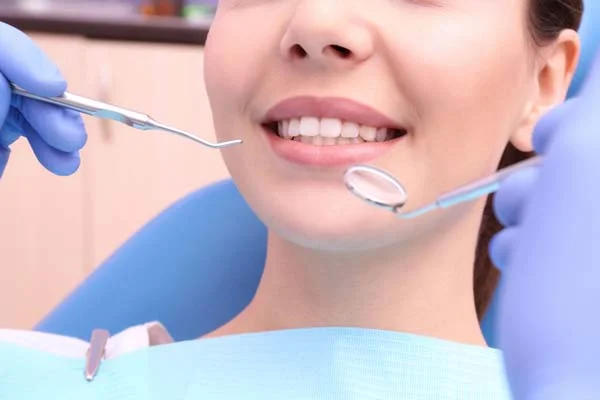
Clear trays may look simply, but safe tooth movement needs planning. Before a tooth shifts, a clinician needs to know what sits beneath the gumline, how the jaws meet and whether the supporting tissues can cope with pressure.
A Scan Is Not A Diagnosis
Digital scans record the visible shape of teeth, yet they do not show decay between teeth, bone levels, infection, buried teeth or the full position of roots. That gap matters.
Two smiles can look alike in photographs while needing very different plans. One person may have healthy bone. Another may have gum loss or a root close to a thin bony plate.
A proper assessment commonly combines:
Medical and dental history, including pain and jaw symptomsAn examination of teeth, gums and soft tissuesPhotographs, scans or impressionsBite records and suitable X-raysWhy X-Rays Change the Picture
X-rays reveal details that a phone photo or surface scan cannot. Depending on the case, they may help assess root length, bone support, unerupted teeth and the relationship between teeth and jaws.
They also provide a baseline. If a tooth responds unexpectedly, the clinician has something to compare against rather than guessing from appearance alone.
Gum Health Comes First
Orthodontic force acts through the tissues holding teeth in place. Inflamed or weakened gums may bleed, recede or lose support if disease is active.
A practical note: patients often notice straightness before gum changes. A tooth can look aligned while the tissue around it becomes less stable. Which is why plaque control, periodontal checks and treatment of active disease belong before, and sometimes during, aligner therapy.
The Bite Needs More Than A Front View
Straight front teeth do not automatically create a balanced bite. Clinicians assess how upper and lower teeth contact when biting, chewing and moving the jaw sideways.
Clinical Question
What It May Affect
Do the back teeth meet evenly?
Chewing comfort and stability
Is there an open bite, deep bite or crossbite?
Treatment design
Are teeth being tipped or moved bodily?
Root position within supporting bone
Does the jaw joint feel strained?
Monitoring and appliance choices
This view helps determine whether aligners suit the case, whether attachments or elastics may be needed, or whether another approach would offer control.
Supervision Is Part of The Treatment
Teeth do not always follow a digital preview. Trays may stop fitting, attachments can loosen, gums can become sore, and the bite may shift unexpectedly.
Sometimes the first sign of trouble is not pain at all. It may be a tray lifting at one corner or a contact between teeth.
Regular reviews let the treating clinician check progress and change course. Remote monitoring can be useful when paired with clinical care, but it should not replace access to a practitioner who knows the diagnosis and can examine concerns directly.
Choosing Care with The Full Picture
People considering Orthodontics Blacktown can ask who will diagnose the case, which records are needed and how progress will be reviewed. Those questions matter when comparing orthodontic treatment in Blacktown.
At Westpoint Dental, orthodontic care begins with an individual assessment rather than a tray alone. The team can review oral health, bite and treatment suitability, then explain what ongoing checks may involve.