
 Canada
 Cayman Islands
 Dominican Republic
 Hong Kong
 India
India
 Indonesia
 Ireland
 Jamaica
 New Zealand
 Singapore
 Thailand
 United Kingdom
 United States
 Vietnam

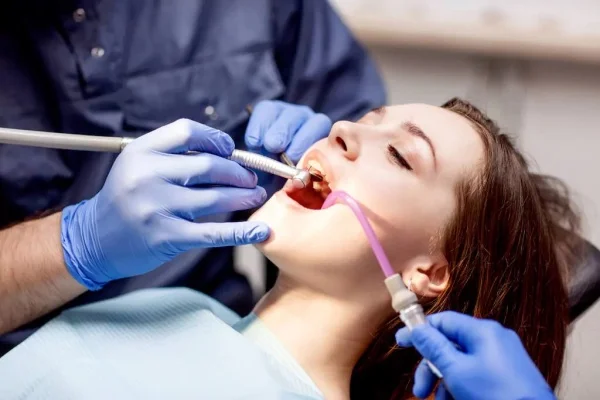
Nobody bounces out of the dental chair after wisdom teeth removal ready to run a marathon, but some patients are back to normal eating within days while others are still nursing swollen cheeks a fortnight later. So why the gap? Recovery isn't random. A handful of practical, biological and lifestyle factors decide whether your mouth heals quickly or drags its feet.
How Impacted Your Teeth Were
The single biggest factor is how the tooth was sitting before it came out. A fully erupted molar with straight roots is a straightforward pull, and the gum usually settles within a few days. Teeth trapped sideways in the jawbone need more cutting and sectioning to remove, meaning more tissue disruption and a longer road to comfort. This is also why costs vary between patients, and why people go searching for affordable wisdom teeth removal once they learn their case is more complex than expected.
Age and General Health
Bone density drops and healing slows as we get older, so a 17 year old typically mends faster than someone in their thirties or forties. Conditions like diabetes, autoimmune disorders or anything that affects circulation can also stretch out recovery, since the body needs a solid blood supply to rebuild tissue and bone at the extraction site.
Smoking and Alcohol
Lighting up in the days after surgery is one of the fastest ways to invite dry socket, a painful complication where the protective blood clot dislodges too early. Smoking starves the wound of oxygen, and alcohol thins the blood and irritates the surgical site. Skipping both for at least 72 hours gives the clot a fighting chance.
Following Aftercare Instructions
Rinsing too vigorously, eating crunchy food too soon, or skipping prescribed antibiotics can undo days of progress. Soft foods, gentle salt water rinses after 24 hours, and keeping the area clean without disturbing the clot make a genuine difference to how quickly swelling and discomfort fade.
Diet, Sleep and Stress
A body running on junk food and four hours of sleep doesn't heal as efficiently as one getting proper nutrients and rest. Protein, vitamin C and plenty of fluids support tissue repair, while chronic stress can quietly slow the process down.
Choosing the Right Provider
Skilled hands matter too. A surgeon who minimises trauma during extraction sets patients up for a smoother recovery from the outset, which is worth weighing up against any cheap wisdom teeth removal deal that skimps on experience or aftercare support.
Recovery timelines vary from patient to patient, but understanding these factors gives you a realistic picture of what to expect and how to help your healing along the way.