 Canada
 Cayman Islands
 Dominican Republic
 Hong Kong
 India
India
 Indonesia
 Ireland
 Jamaica
 New Zealand
 Singapore
 Thailand
 United Kingdom
 United States
 Vietnam

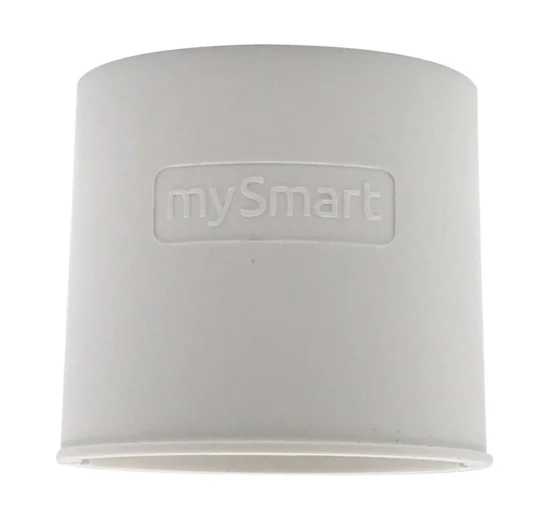
Walk past a commercial building at night with half its lights out and something feels off, even if you can't say exactly why. That instinct is doing exactly what security lighting is designed to trigger: making a space feel watched, whether or not anyone's actually looking. For facility managers, that psychological effect is only the surface of what a well-designed lighting setup contributes to a building's overall security posture.
Light as the First Line of Defence
Security professionals talk about "natural surveillance," the idea that a well-lit space discourages unwanted activity because people don't want to be seen doing something they shouldn't. Research suggests well-designed lighting can lower crime rates in commercial areas by creating this kind of visibility, since intruders who know they can be spotted tend to look for an easier target elsewhere. It only works if the lighting is placed with intent, not scattered as an afterthought.
Motion Sensors That Do the Watching for You
Flooding a car park with light all night isn't the answer either, it just runs up the power bill without adding much protection. Modern lighting control systems solve this by pairing motion detection with photocells, so fixtures stay dim during quiet periods and brighten the moment something moves through a monitored zone. Adaptive lighting set up this way can cut energy use by roughly 60 percent while still maintaining full coverage across entrances, loading docks and perimeter fencing.
Where Automation Adds Another Layer
This is where lighting automation earns its keep. Rather than relying on a caretaker flicking switches at dusk, automated schedules and sensors keep every zone consistently lit without anyone needing to remember. Centralised platforms increasingly link lighting with HVAC, security and occupancy data, so a triggered sensor can do more than switch on a light. It might also alert a monitoring service or log the event for later review.
Connecting Lighting to the Rest of the Building
Standalone fixtures can only do so much. Networked systems let managers check and adjust lighting across an entire site, or several sites, from a phone or tablet, which helps when a gap in coverage needs fixing fast. Pairing that visibility with access control and CCTV closes gaps that isolated systems tend to leave open.
Getting the Basics Right
None of this replaces good design. Shadows near entry points, overgrown landscaping blocking a fixture, or a sensor aimed at the wrong angle can undo the benefits of even the most advanced setup. Getting a qualified integrator to assess your site properly is worth more than any single piece of hardware. For learn more https://mysmart.com.au/solutions/lighting-control/