 Canada
 Cayman Islands
 Dominican Republic
 Hong Kong
 India
India
 Indonesia
 Ireland
 Jamaica
 New Zealand
 Singapore
 Thailand
 United Kingdom
 United States
 Vietnam


Old wiring and outdated switchboards quietly drain money from almost every commercial building in Australia. Lighting alone accounts for roughly 21% of total energy use in these properties, and buildings constructed before current Building Code of Australia standards often run illumination power density three times higher than what's now permitted. That gap between old and new is exactly where retrofits earn their keep, and it's a bigger opportunity than most owners realise until someone finally runs the numbers properly.
Cost Is Rarely the Real Barrier
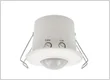
Facility managers often assume upgrading lighting means ripping out ceilings and rewiring floors from scratch. In most cases that's not true at all. A modern lighting control system can be layered onto existing circuits, using relays and sensors rather than a full rewire. Payback periods on these projects typically sit between three and six years, and that's before factoring in reduced maintenance callouts from fewer failed globes and far simpler fault diagnosis down the track.
Compatibility Is the Trickier Question
Here's where retrofits get genuinely interesting. Buildings rarely run on a blank slate; there's usually decades-old infrastructure, mismatched fittings, and sometimes a mix of tenancies with entirely different needs. Choosing a platform that talks to what's already there matters more than chasing the newest tech on the market. Dynalite lighting control has stayed relevant in Australian commercial fit outs partly because it plays well with existing BMS platforms and DALI-based fittings, so building owners aren't forced into tearing out infrastructure that still works perfectly fine.
Where the Real Savings Show Up
Numbers from lighting studies vary, but occupancy sensing alone tends to shave off around a quarter of lighting energy use, while daylight harvesting and zone tuning push savings higher again once properly commissioned. Combine both strategies and buildings regularly see reductions above 30%, sometimes more in busy foyers and shared common areas. Lighting automation switches off empty meeting rooms, dims perimeter offices when sunlight does the job for free, and logs usage patterns that facility teams can act on rather than guess at every quarter.
Worth Doing Properly
None of this works particularly well if it's bolted on as an afterthought. Retrofits that succeed usually start with an honest audit of current usage, followed by a staged rollout rather than one disruptive shutdown over a long weekend. Tenants barely notice the transition happening around them, and the building starts paying its owners back from month one rather than year five.
For property owners weighing up ageing infrastructure against a smarter, connected building, lighting is often the cheapest and fastest place to start looking, well before any bigger works get a look in.